
Why speaking is the hardest skill to practise
Most learners can read and listen far better than they can speak. The reason is simple: you can read on the metro and listen while driving, but speaking needs someone to talk to. AI speaking practice fills that gap. It gives you a patient partner at any hour, so you can say sentences out loud, hear feedback and try again, as often as you need.
Speaking also matters for learning itself, not only for conversation. Language researchers such as Merrill Swain have argued that producing language pushes you to notice what you cannot yet say, and that noticing is where new grammar and vocabulary start to stick. Reading a phrase and saying it under a little pressure are two very different experiences.
Then there is nervousness. Many adults feel anxious speaking a new language in front of others, a reaction researchers have described as foreign language anxiety since the 1980s. If you have ever known the answer in a meeting and stayed silent, you know the feeling. Practising first with a machine that never judges you is a gentle way to build confidence before you speak to people.
What AI speaking practice does well
Used well, AI tools can turn a few spare minutes into real speaking time. These are the areas where they help most.
Practice without an audience
You can repeat the same sentence ten times, make mistakes and start again without embarrassment. For shy learners this is often the biggest benefit: the first awkward attempts happen in private, so the tenth attempt, the one people hear, sounds much better.
Unlimited repetition at your pace
Human partners get tired; an app does not. You can slow things down, replay a model sentence and repeat it until the rhythm feels natural. Short, frequent sessions are easier to keep up than one long weekly class.
Quick feedback on pronunciation
Speech technology can compare what you said with the expected sentence and point out words that were unclear. Scores for accuracy and fluency are useful as a trend: if a sentence moves from patchy to smooth over a week, you are improving, even if one day's score goes down.
Safe role-play for real situations
A general AI chat tool can play a receptionist, a colleague or an interviewer. Rehearsing a job interview, a phone call to a clinic or a hotel check-in before the real moment makes the real one far less stressful.
What AI cannot do (yet)
AI is a training partner, not a replacement for people. Keep its limits in mind so you use it wisely.
- It can be wrong. Chatbots sometimes invent rules or give unnatural examples, so check anything surprising in a dictionary or with a teacher.
- Speech recognition is not a native listener. It may struggle with background noise or strong accents, and it may accept a sentence that a person would find unclear, or reject one that is fine.
- It is too polite. Real conversations include interruptions, slang, fast speech and several speakers at once. You still need real listening practice with people, films and podcasts.
- It cannot read the room. Tone, humour and cultural expectations, such as how directly to disagree in a meeting, are best learned from real colleagues and friends.
A simple 20-minute AI speaking routine
Consistency beats intensity. This routine fits into a lunch break and works for any language.
- Minutes 1–5, warm up: listen to a short model dialogue, at slow speed first, then repeat each line out loud.
- Minutes 6–10, pronunciation: pick three sentences you found difficult and repeat them until the feedback improves. Note one sound to watch today.
- Minutes 11–17, role-play: ask an AI partner to play a scene you will really face this week and answer out loud, in full sentences.
- Minutes 18–20, review: write down three new phrases and one mistake you made, then save the phrases to your flashcards so they come back for review in a few days.
Role-play prompts you can try today
If you use a general AI chat tool with a voice mode, clear instructions make the practice much better. Copy one of these and change the details:
- "You are a receptionist at a dental clinic. I want to book an appointment for next week. Speak slowly, ask me one question at a time and correct my mistakes at the end."
- "Interview me for a junior accountant job in English. Ask five common questions. After each answer, suggest a more natural way to say it."
- "Let's have small talk at a coffee break. Use simple A2 English and keep your replies under two sentences."
- "I am learning Saudi Arabic. Play a shop assistant in Riyadh and use only simple everyday phrases. Give me the Arabic script and a transliteration."
Tips for Arabic speakers practising English with AI
Arabic speakers learning English usually have a few predictable challenges, and AI practice is a good place to work on them one at a time.
- Choose sentences full of the sounds you find hard, such as P and B ("a big blue pen") or V and F ("very fine view"), and repeat them until they are consistently clear.
- Watch word stress. Saying PHOtograph, phoTOgraphy and photoGRAPHic correctly often improves clarity more than perfecting single sounds.
- Practise short answers. Many learners translate long Arabic sentences in their head; asking the AI for replies of one or two sentences trains you to speak more directly.
- Don't chase perfect scores. Your goal is to be understood easily, not to remove your accent.
Practise speaking with LughaOne
LughaOne brings structured lessons and speaking practice together. You can choose from 20 study languages and 26 learning tracks, including Modern Standard Arabic and Saudi, Emirati, Palestinian, Levantine, Egyptian and Yemeni Arabic, with 2,340 reviewed A1–A2 lessons and listening at normal or slow speed.
Pronunciation practice with AI accuracy and fluency scores is available in English, French, Spanish, German, Italian, Portuguese, Russian, Dutch, Danish, Norwegian, Polish, Swedish, Japanese, Korean, Mandarin, Hindi, Saudi Arabic and Egyptian Arabic, and your pronunciation history shows how you improve over time. An AI tutor answers your questions about each lesson, and saved words, flashcards, quizzes and review help new phrases stay with you.
Every plan includes the full lesson library, family plans cover up to six accounts, and you can start with a 3-day free trial, no card needed.
Keep exploring
Family Learning
Learning a Language as a Family: Ideas That Actually Work
Learning a new language together can be one of the best family projects you start this year, as long as you keep it short, playful and built into the routines you already have.
Career English
English for Customer Service Jobs: Phrases That Sound Professional
Good customer service English is not about long words. It is about a small set of polite, clear phrases you can use every day in shops, hotels, restaurants and help desks.
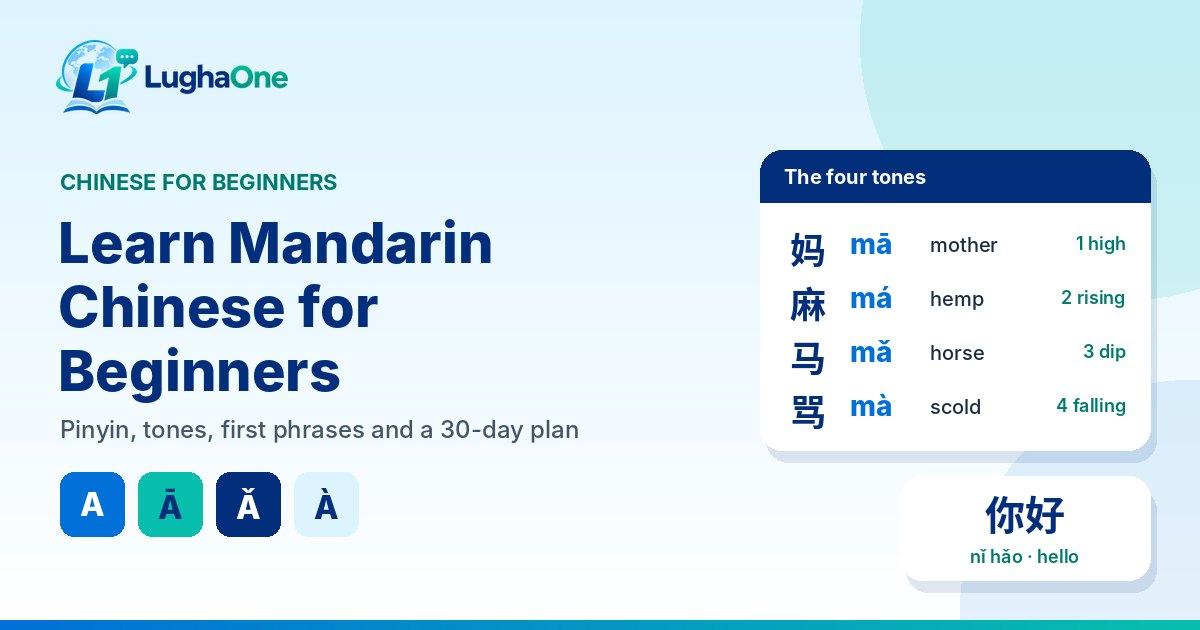
Chinese for beginners
Learning Mandarin Chinese: A Realistic Starting Plan for Beginners
Mandarin looks impossible from the outside, but the first month is very manageable if you start in the right order: pinyin and tones first, then survival phrases, simple sentence patterns and your first characters.
Business English
English Meeting Phrases: Agree, Disagree and Suggest Politely
Ready-to-use English for meetings in the office or on video calls: how to open, agree, disagree without sounding rude, suggest ideas, interrupt politely and close with clear next steps.
Learn languages
Learning French as an Arabic Speaker: What Is Easy and What Is Hard
Arabic speakers start French with more advantages than they think: the French r, grammatical gender and adjectives after the noun all feel familiar. Here is what comes easily, what takes practice, and how to start.
Business English
English Phone Call Phrases: Bookings, Support and Work Calls
Phone calls are harder than face-to-face English: no gestures, no lips to read, and the other person is waiting. These ready-to-use phrases for work calls, bookings and customer support help you sound calm, clear and polite.
Study Skills
Spaced Repetition: Remember New Vocabulary for Longer
You learn twenty new words on Monday and remember five by Friday. Spaced repetition fixes that: review each word just before you would forget it, at growing intervals. Here is how it works and how to use it with paper or an app.
Family Learning
Teaching Kids Arabic at Home: A Simple Weekly Routine
A practical plan for Arab families abroad and mixed families: short daily Arabic moments, a seven-day routine, how to handle dialect and Modern Standard Arabic, and how to keep going when your child answers in English.
Business English
English Small Talk at Work: Natural Phrases for the Office
Short, natural English for the moments before meetings, in the lift and at the coffee machine: how to start, what to talk about, how to keep it going and how to leave politely.
Learn Arabic
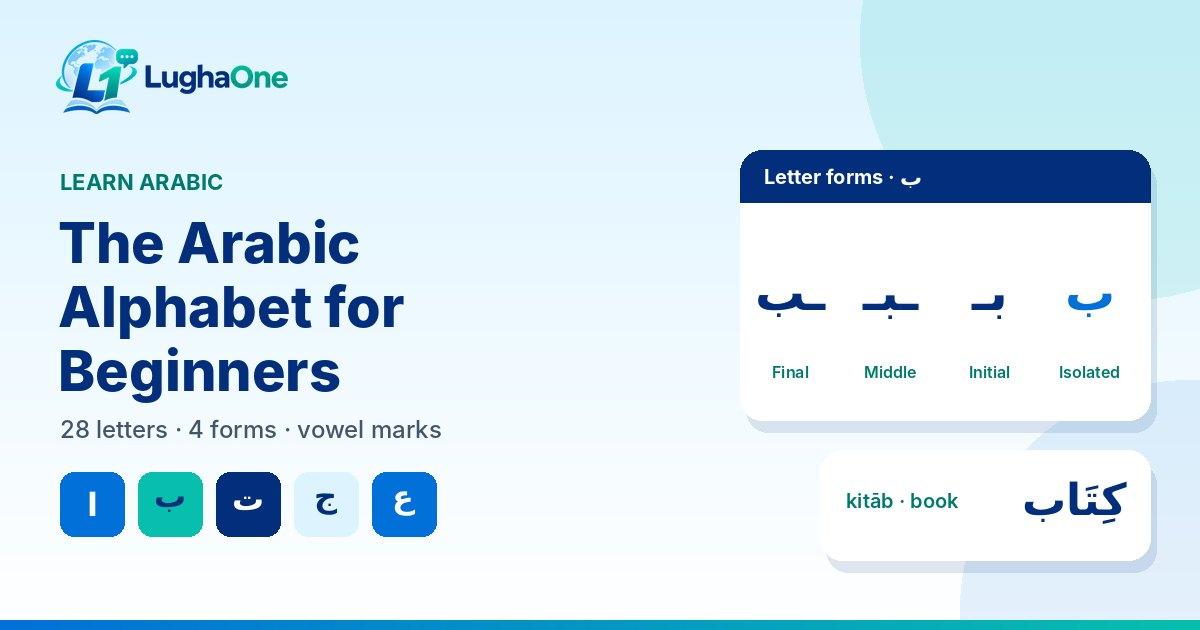
The Arabic Alphabet for Beginners: Letters, Shapes and Sounds
Learn to read Arabic step by step: how the script works, the 28 letters grouped by shape, how letters change at the start, middle and end of a word, vowel marks and a two-week practice plan.
Learning Tips
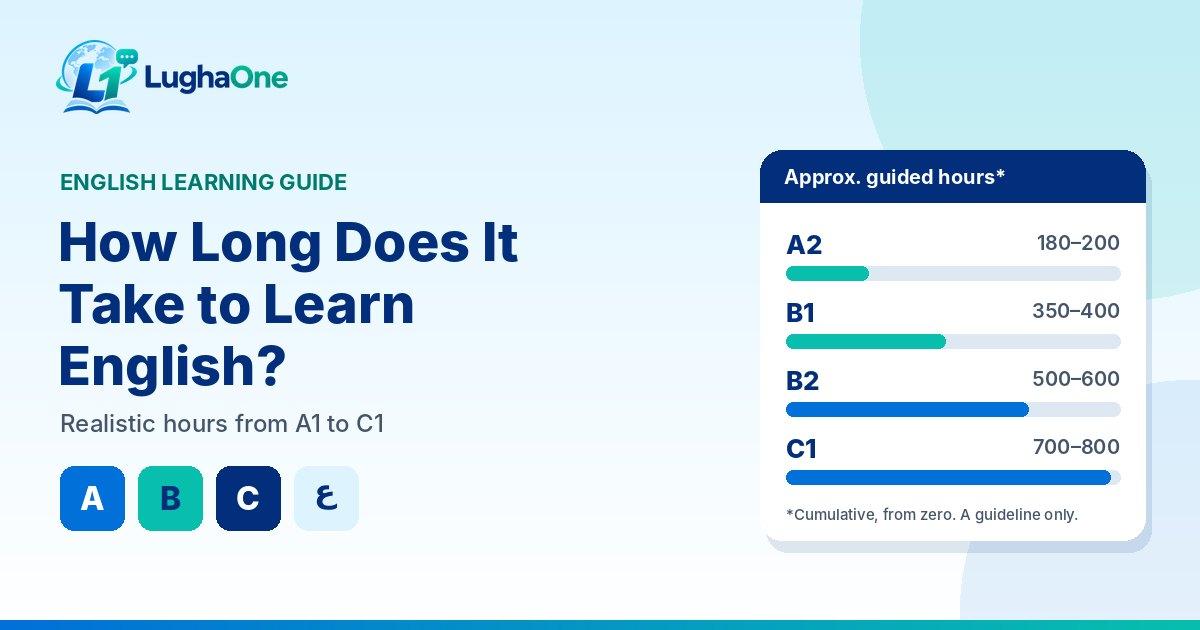
How Long Does It Take to Learn English? A Realistic Answer
A realistic answer in hours, not promises: approximate study time for each level from A1 to C2, the factors that change it, and simple weekly plans for busy learners.
Arabic Dialects
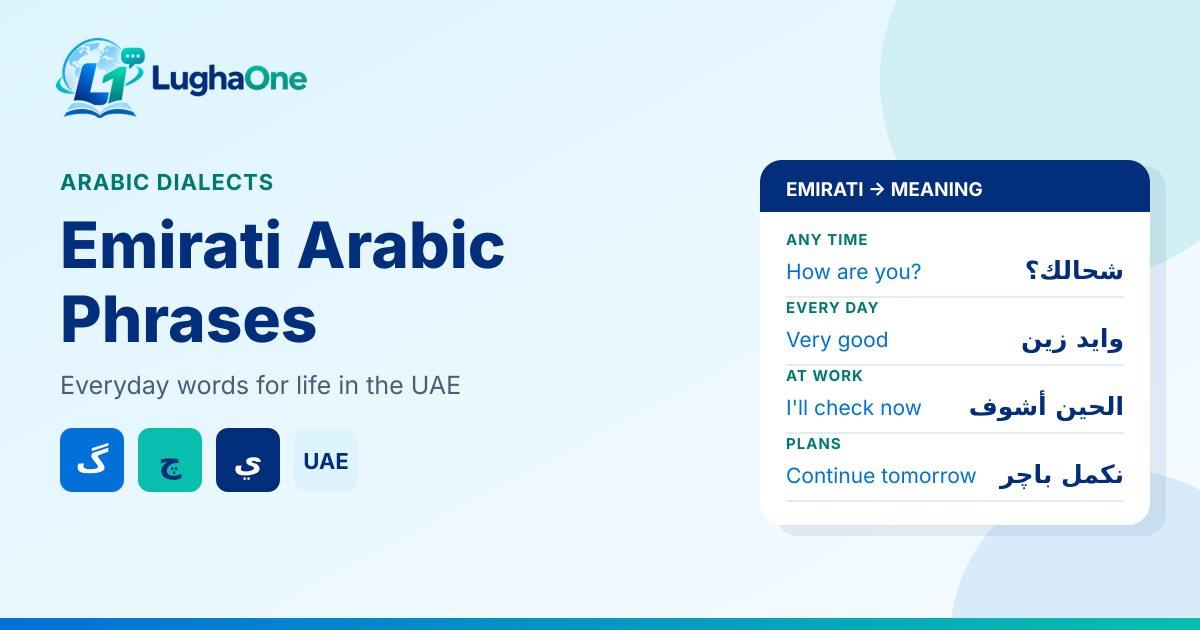
Emirati Arabic Phrases for Everyday Life in the UAE
The Emirati words and phrases you will actually hear in Dubai, Abu Dhabi and Sharjah: how the dialect sounds, everyday words, office and shop phrases, directions for taxis and Emirati hospitality.
Arabic for Beginners
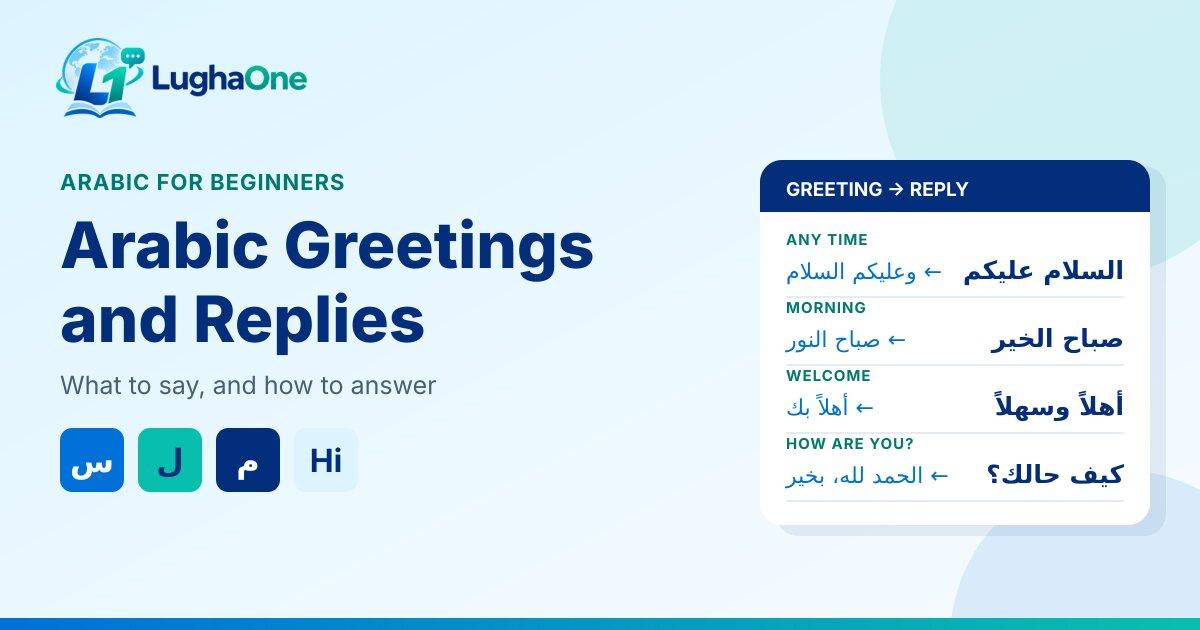
Arabic Greetings and Responses: What to Say and How to Reply
In Arabic, almost every greeting has a set reply. Learn the pairs for every time of day, how to ask how are you across the region, what to say on Ramadan and Eid, and the etiquette that goes with them.
Practical English
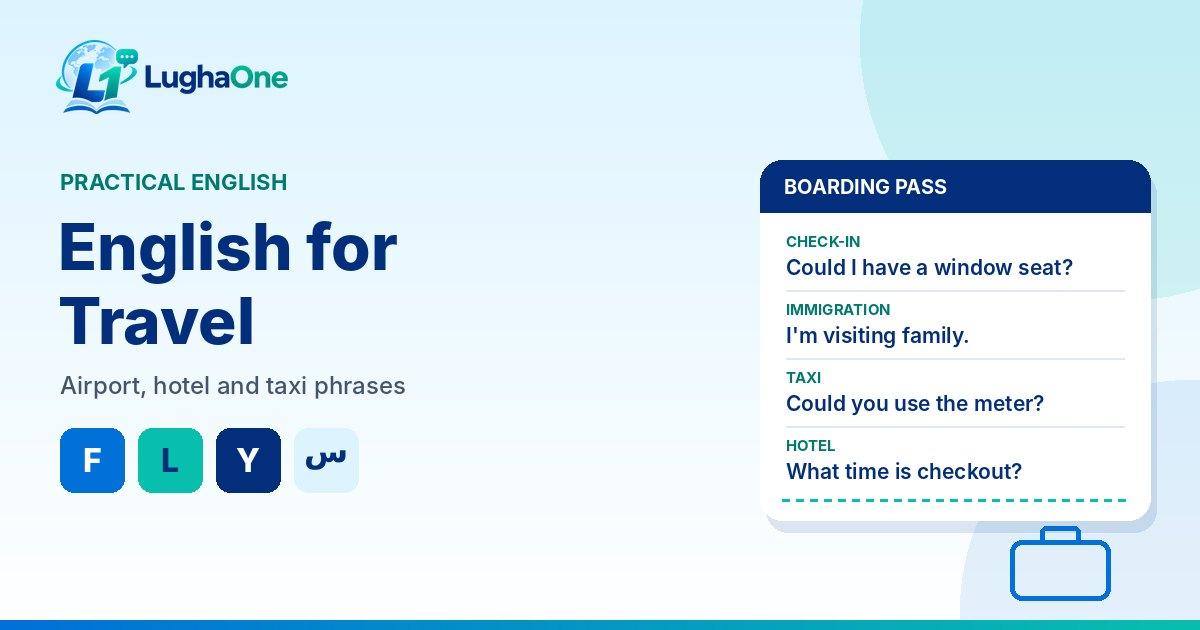
English for Travel: Airport, Hotel and Taxi Phrases You Will Actually Use
The English you need from the check-in desk to your hotel room: short, polite phrases for every step of the trip, the questions officers ask, and easy fixes for common mistakes.
Arabic Dialects
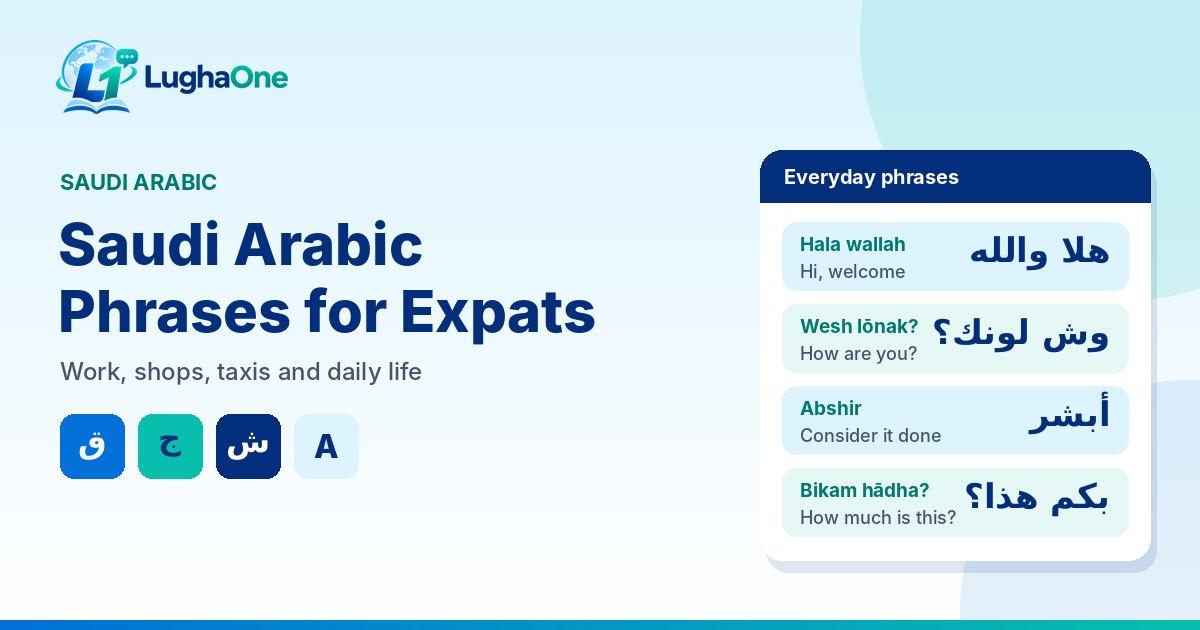
Saudi Arabic Phrases for Expats: Work, Shops and Daily Life
The everyday Saudi Arabic you will hear in Riyadh, Jeddah and beyond, from hala wallah and abshir to bikam hadha, with simple notes on Najdi and Hijazi speech.
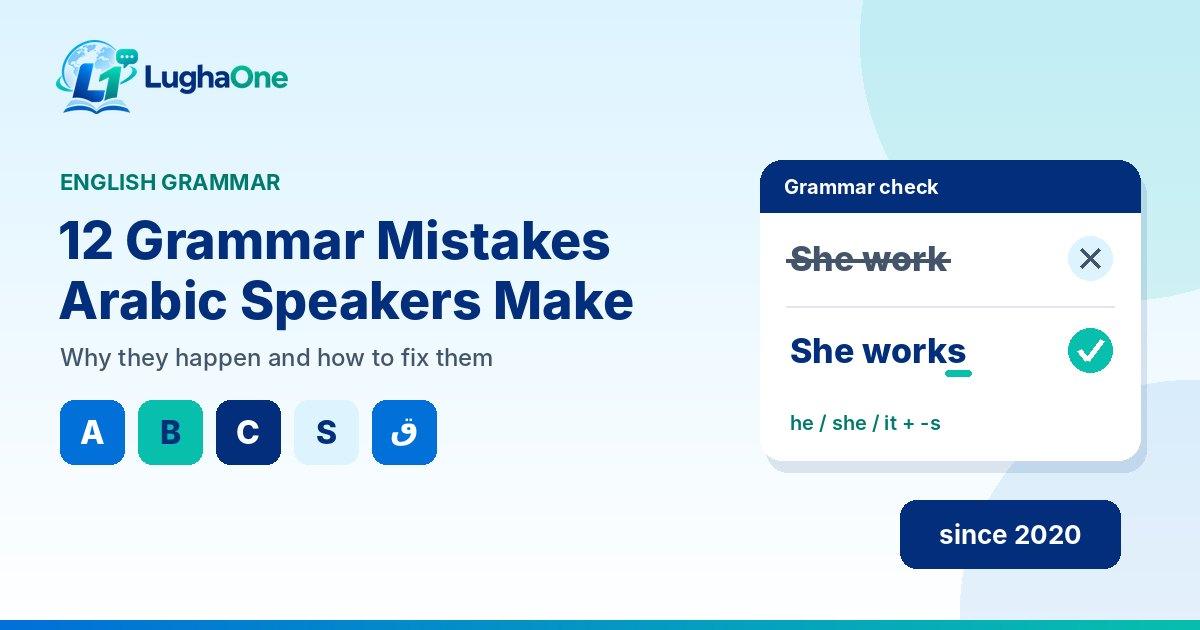
English Grammar
12 English Grammar Mistakes Arabic Speakers Make (and How to Fix Them)
Twelve grammar mistakes that come from thinking in Arabic while speaking English, why each one happens, and a simple correction you can start using today.
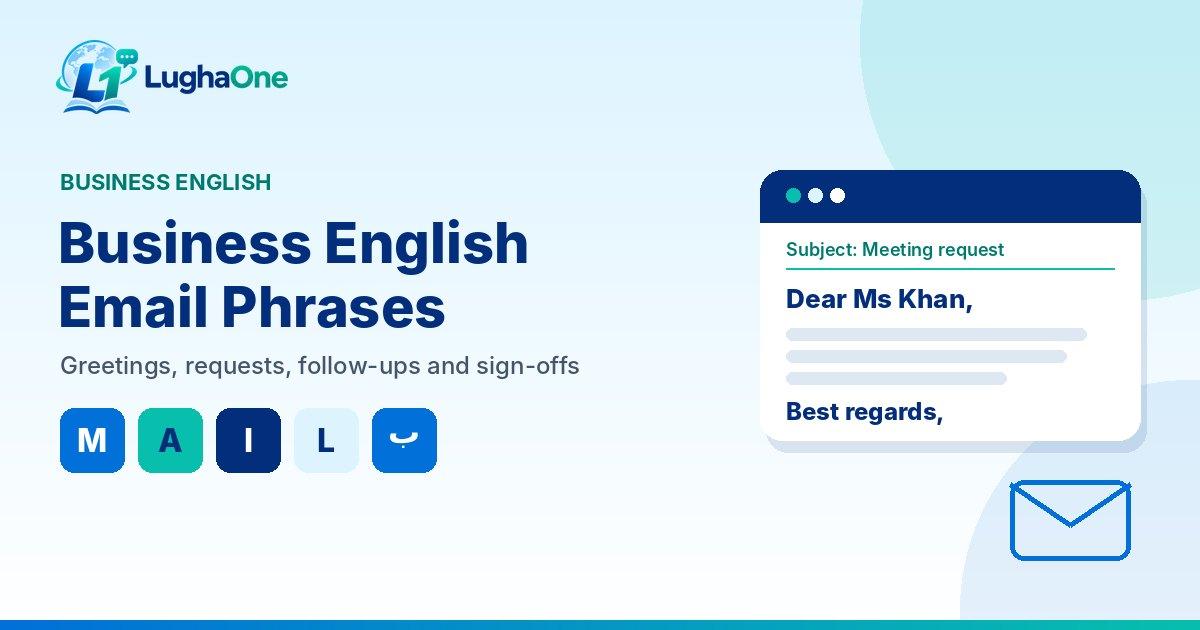
Business English
Business English Email Phrases: How to Write Clear, Professional Emails at Work
Ready-to-use phrases for every part of a work email, from the greeting to the sign-off, with a sample email you can adapt and the small mistakes that make emails sound less professional.
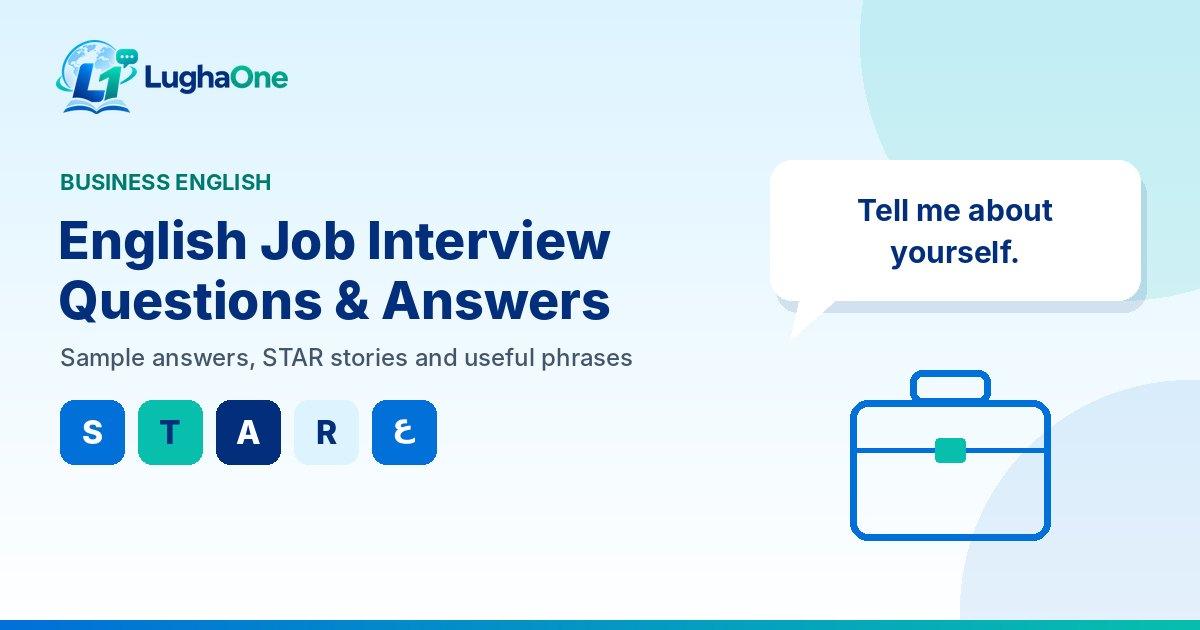
Business English
English Job Interview Questions and Answers: A Guide for Arabic Speakers
How to answer 'Tell me about yourself', 'Why should we hire you?' and other common interview questions in clear, confident English, with sample answers you can adapt.
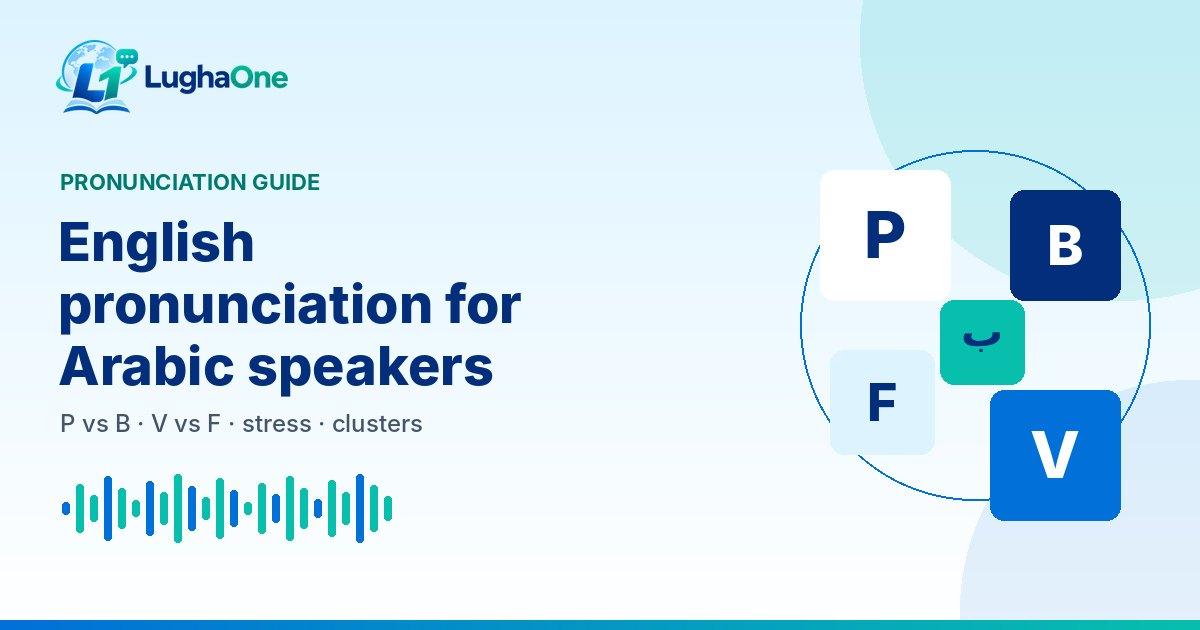
Pronunciation
English Pronunciation for Arabic Speakers: Fix P/B, V/F and More
Why 'parking' turns into 'barking' and 'very' into 'fery', and simple daily drills that make your English clearer in meetings, interviews and travel.
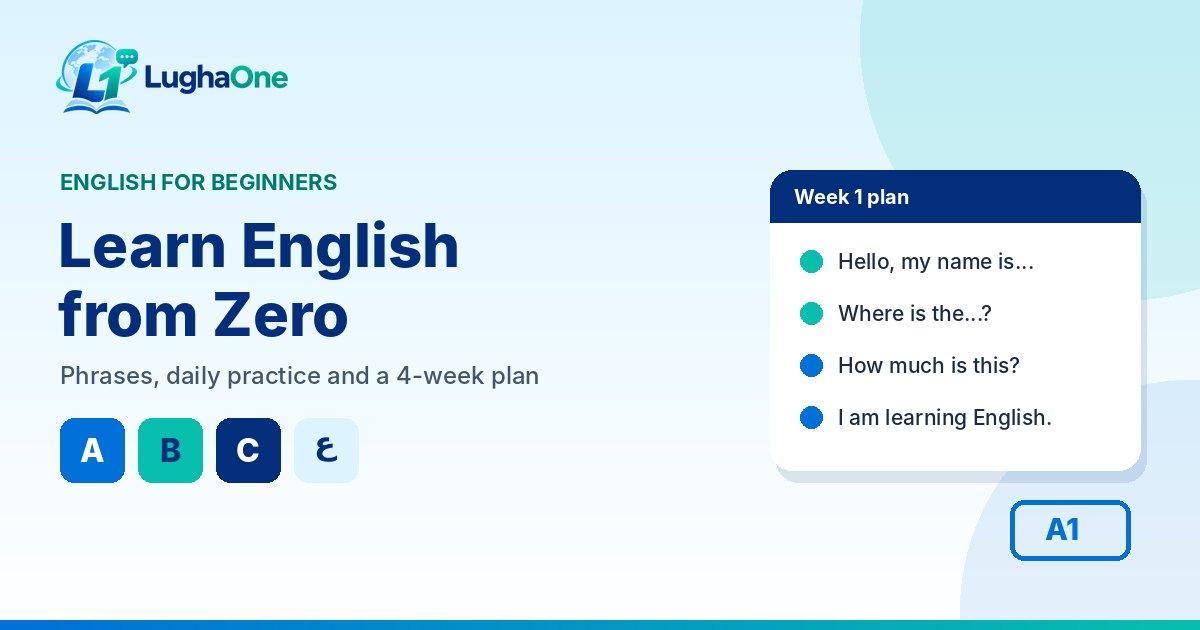
English learning
How to Learn English from Zero: A Practical Beginner's Guide
Start speaking with confidence: the first phrases to learn, a 15-minute daily routine, beginner mistakes to avoid and a simple four-week plan.
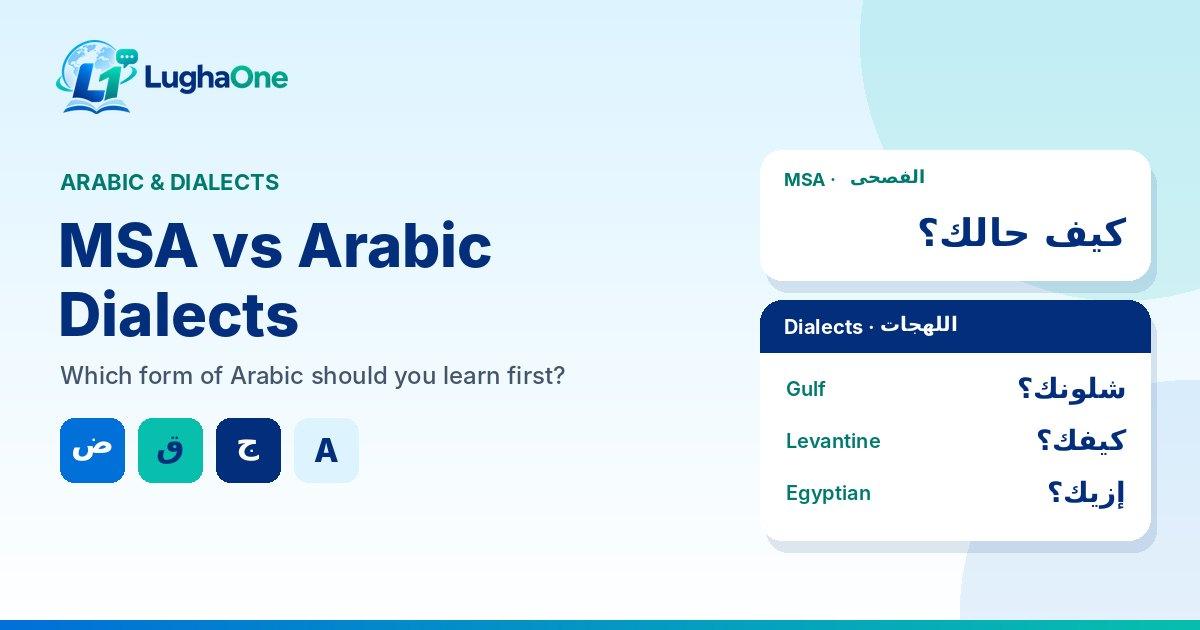
Arabic & dialects
Modern Standard Arabic vs. Arabic Dialects: Where Should You Start?
MSA or spoken Arabic? See how they differ in real examples, from 'How are you?' to the letter qaf, and choose the path that fits your goals.