
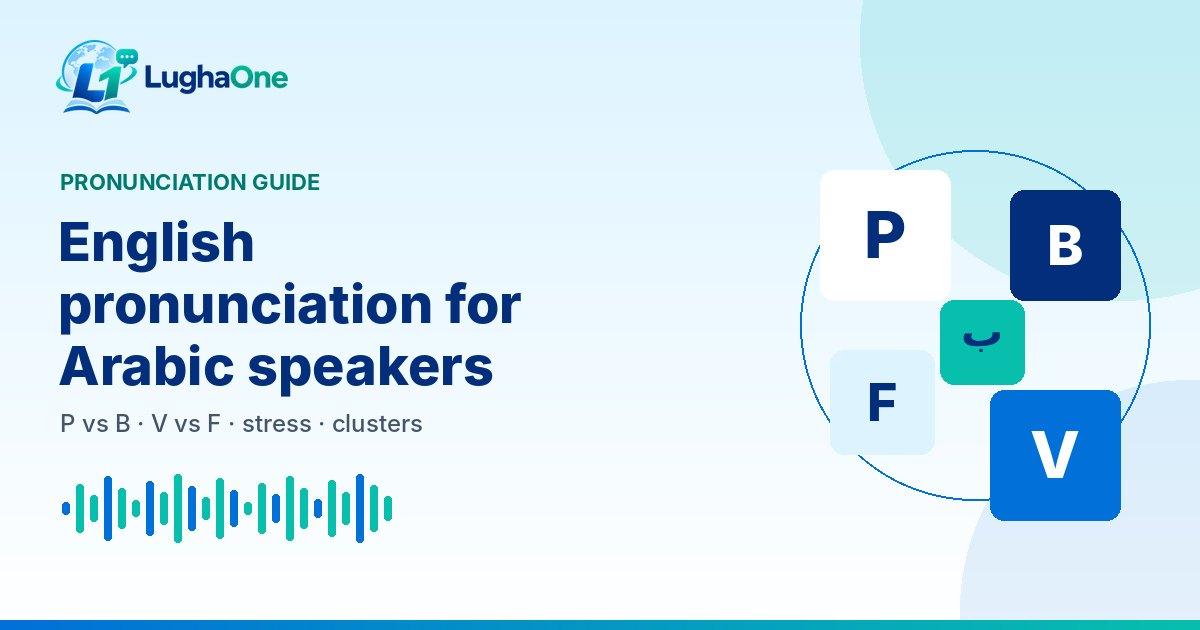
Why English pronunciation feels different for Arabic speakers
If you grew up speaking Arabic, you already produce many sounds that English learners elsewhere find difficult. Even so, English pronunciation for Arabic speakers comes with a few predictable challenges. They are not about intelligence or effort. They come from the sound system you learned as a child.
Your brain naturally maps new English sounds onto the closest Arabic sounds it already knows. When English has a sound that Arabic does not, the closest match takes its place. That is why the same handful of patterns appears in classrooms and offices from Riyadh and Dubai to Doha, Kuwait City, Manama and Muscat.
The good news: because the patterns are predictable, they are also very trainable. Below are the most common ones, with a quick test and a short drill for each.
P vs B: the 'parking' and 'barking' problem
The standard Arabic alphabet has a letter for /b/ (ب) but no letter or native sound for /p/. As a result, many learners say 'barking' when they mean 'parking', or 'ben' instead of 'pen'. In a meeting or at an airport counter, that small change can create real confusion.
The difference is air. English /p/ is voiceless and, at the start of a word, comes with a small puff of air. /b/ is voiced, so your vocal cords vibrate and there is almost no puff.
Try the paper test: hold a tissue or a strip of paper a few centimetres in front of your lips. Say 'pen'. The paper should move. Now say 'Ben'. The paper should stay almost still. Practise these minimal pairs, words that differ by only one sound, until the paper reacts correctly every time.
- pen / Ben
- pack / back
- pie / buy
- cap / cab
- Please park by the back door.
V vs F: turn your voice on
Arabic has /f/ (ف) but not /v/, so 'very' can become 'fery' and 'visa' can sound like 'fisa'. Here the mouth position is identical: your top teeth rest lightly on your bottom lip. The only difference is your voice.
Put your fingers on your throat. Say a long 'ffff'. You feel nothing. Now say a long 'vvvv'. You should feel a buzz. If there is no buzz, you are still saying /f/. Start with the long sound, then add a vowel: 'vvvv-ery', 'vvvv-isa'.
- fan / van
- fine / vine
- few / view
- safe / save
- I have a visa for a seven-day visit.
Consonant clusters: no extra vowels
English often stacks consonants together, as in 'street', 'spring', 'school' or 'next stop'. Arabic syllables rarely start with two consonants, so many speakers add a short vowel to make the word easier: 'istreet', 'sipring' or 'eschool'.
Start the cluster with a long hiss and glide straight into the next consonant without stopping: 'sssss-treet'. Then shorten the hiss until the word sounds natural. Recording yourself is especially helpful here, because the extra vowel is hard to hear while you are speaking.
- street, spring, school, screen
- first, next, asked, months
- She asked for the next stop.
Vowels, silent letters and the English R
Arabic has three short and three long vowels. English has many more vowel sounds, and its spelling does not always tell you which one to use. These three areas make the biggest difference to clarity.
Short and long vowels
Pairs such as 'ship' and 'sheep' or 'full' and 'fool' change meaning, so practise them side by side. Keep the short vowel short and relaxed, and stretch the long one.
- ship / sheep
- live / leave
- full / fool
- cat / cut
Silent letters
Arabic spelling is largely phonetic, so it is natural to pronounce every letter you see. In English, many letters are silent. Learn these words as sound patterns, not as spellings.
- knife, know (silent k)
- listen, castle (silent t)
- Wednesday (sounds like 'Wenz-day')
- island (silent s)
The English R
The Arabic ر is usually tapped or rolled with the tip of the tongue. In most American English, and in British English before a vowel, the tongue does not touch the roof of the mouth. Pull it back slightly and keep the sound smooth, as in 'right', 'very' or 'around'.
Word stress: the secret to sounding clear
You can pronounce every sound correctly and still be hard to understand if the stress is in the wrong place. English stresses one syllable more strongly, and moving it can change how a word is recognised.
Compare 'PHO-to-graph', 'pho-TO-gra-phy' and 'pho-to-GRA-phic'. Or 'PRE-sent' (a gift, a noun) and 'pre-SENT' (to give a presentation, a verb). When you learn a new word, write its stress pattern next to it and clap or tap the strong syllable as you say it.
- PHO-to-graph / pho-TO-gra-phy
- en-gi-NEER (not EN-gi-neer)
- a RE-cord / to re-CORD
- Can I re-CORD the meeting?
A 10-minute daily pronunciation routine
A good tip for many Gulf speakers: the English 'th' sounds in 'think' and 'this' are close to the Arabic ث and ذ, which most Gulf dialects still use in everyday speech. Use those familiar sounds as an anchor, and spend your practice time on the patterns above.
Short, regular practice works better than one long session each weekend. Try this routine on most days:
- 2 minutes: warm up with the paper test and the throat-buzz test.
- 3 minutes: read one list of minimal pairs aloud, slowly and then at normal speed.
- 3 minutes: say five useful sentences from your work or studies, marking the stress first.
- 2 minutes: record one sentence, listen back and fix one thing only.
Practise pronunciation with LughaOne
LughaOne lessons let you record yourself saying new words and receive AI pronunciation scores for accuracy and fluency, so you are not guessing whether your 'p' or 'v' is landing. Your recent attempts are saved in your pronunciation history, so you can see which sounds are improving and which need another round.
Combine that feedback with flashcards and review sessions, and the minimal pairs in this guide quickly become automatic. Start with five minutes today: you will hear the difference sooner than you think.
Keep exploring
Family Learning
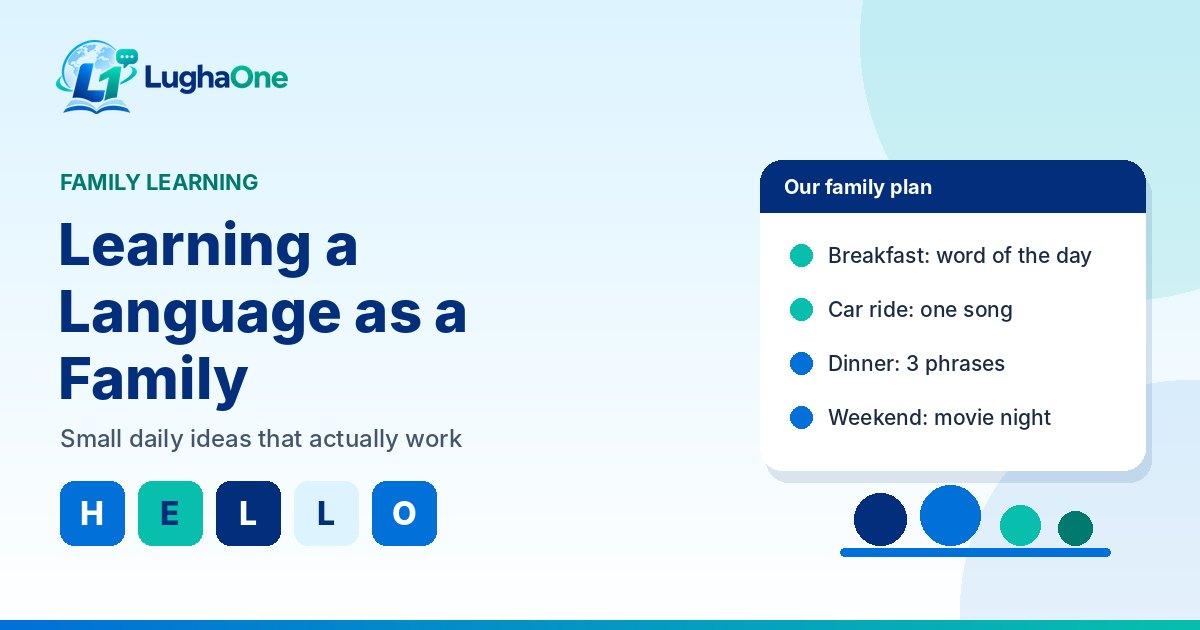
Learning a Language as a Family: Ideas That Actually Work
Learning a new language together can be one of the best family projects you start this year, as long as you keep it short, playful and built into the routines you already have.
Career English
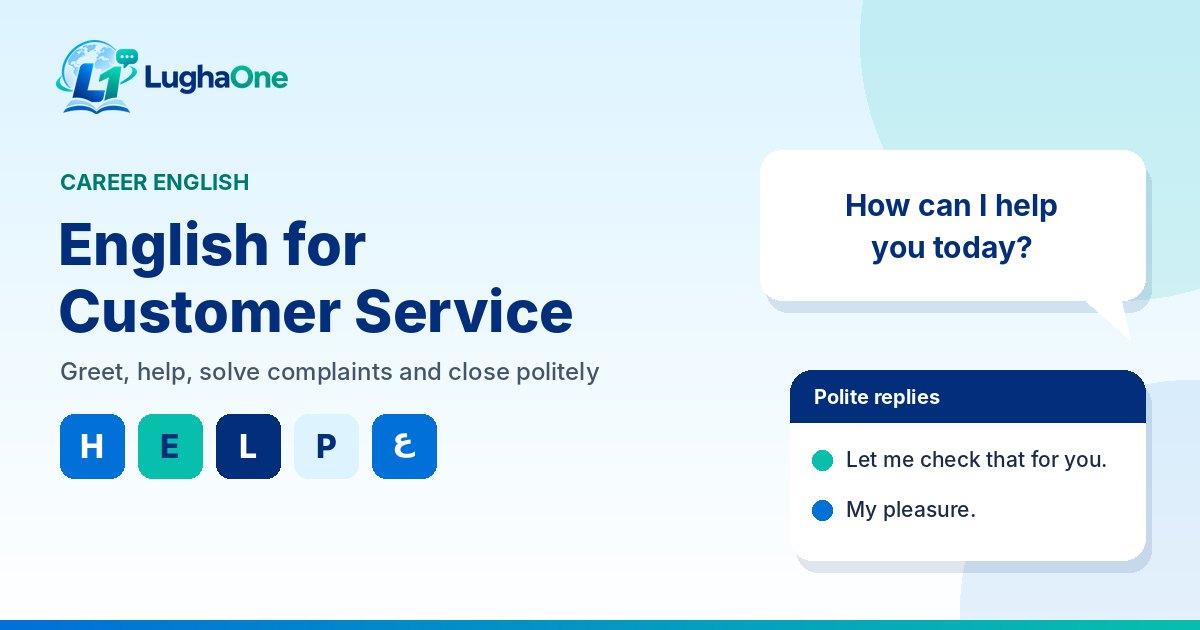
English for Customer Service Jobs: Phrases That Sound Professional
Good customer service English is not about long words. It is about a small set of polite, clear phrases you can use every day in shops, hotels, restaurants and help desks.
Chinese for beginners
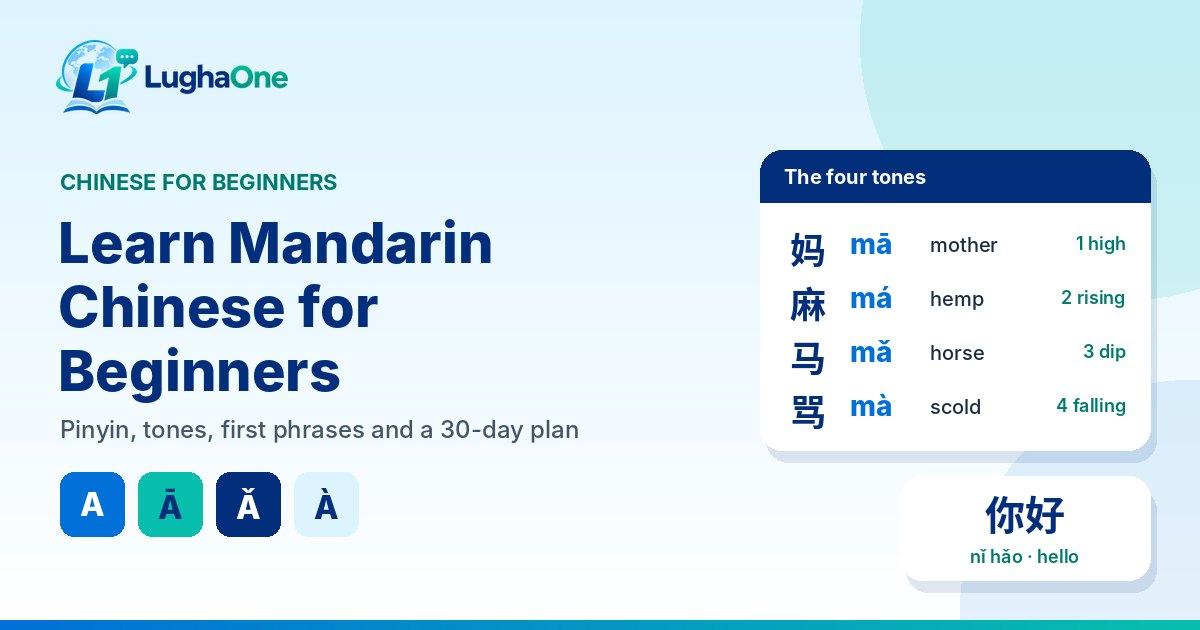
Learning Mandarin Chinese: A Realistic Starting Plan for Beginners
Mandarin looks impossible from the outside, but the first month is very manageable if you start in the right order: pinyin and tones first, then survival phrases, simple sentence patterns and your first characters.
Business English
English Meeting Phrases: Agree, Disagree and Suggest Politely
Ready-to-use English for meetings in the office or on video calls: how to open, agree, disagree without sounding rude, suggest ideas, interrupt politely and close with clear next steps.
Learn languages
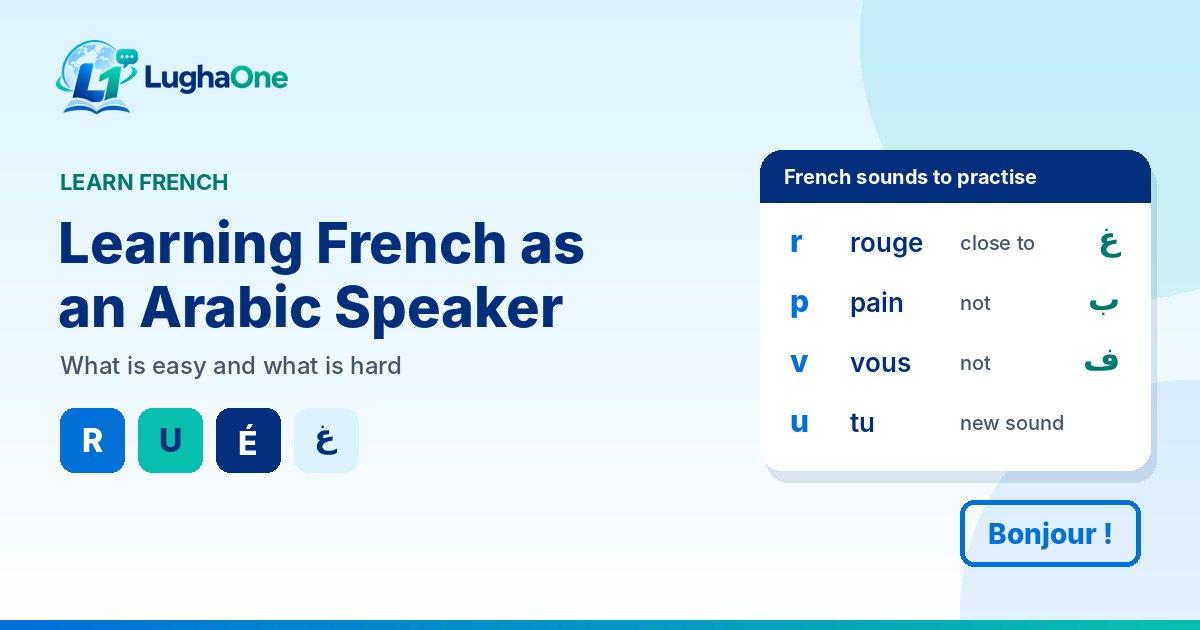
Learning French as an Arabic Speaker: What Is Easy and What Is Hard
Arabic speakers start French with more advantages than they think: the French r, grammatical gender and adjectives after the noun all feel familiar. Here is what comes easily, what takes practice, and how to start.
Business English
English Phone Call Phrases: Bookings, Support and Work Calls
Phone calls are harder than face-to-face English: no gestures, no lips to read, and the other person is waiting. These ready-to-use phrases for work calls, bookings and customer support help you sound calm, clear and polite.
Study Skills
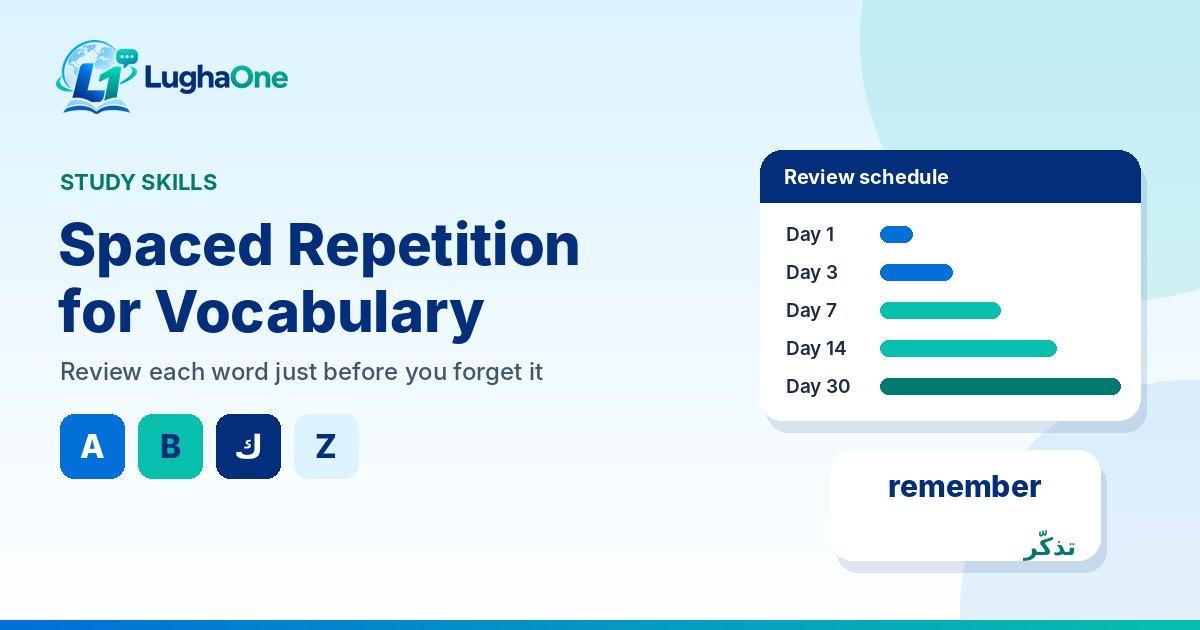
Spaced Repetition: Remember New Vocabulary for Longer
You learn twenty new words on Monday and remember five by Friday. Spaced repetition fixes that: review each word just before you would forget it, at growing intervals. Here is how it works and how to use it with paper or an app.
Family Learning
Teaching Kids Arabic at Home: A Simple Weekly Routine
A practical plan for Arab families abroad and mixed families: short daily Arabic moments, a seven-day routine, how to handle dialect and Modern Standard Arabic, and how to keep going when your child answers in English.
Learning Tips
How AI Can Help You Practise Speaking a New Language
Speaking is the skill most learners practise least. Here is what AI speaking practice can and cannot do, a simple 20-minute routine, ready-to-use role-play prompts and tips for Arabic speakers learning English.
Business English
English Small Talk at Work: Natural Phrases for the Office
Short, natural English for the moments before meetings, in the lift and at the coffee machine: how to start, what to talk about, how to keep it going and how to leave politely.
Learn Arabic
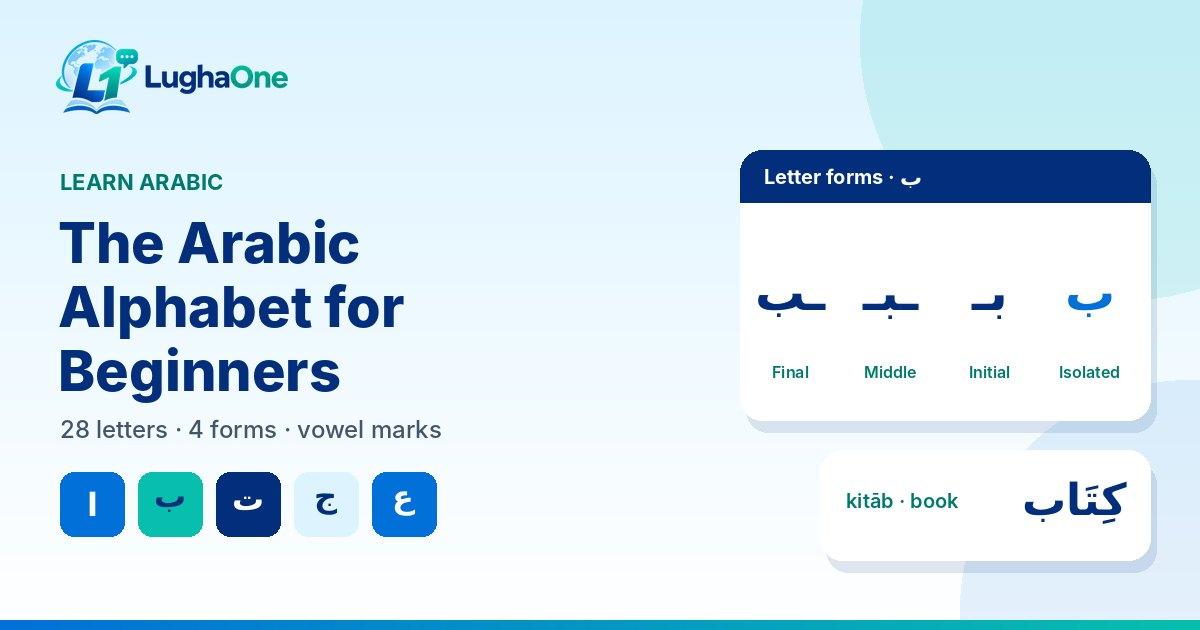
The Arabic Alphabet for Beginners: Letters, Shapes and Sounds
Learn to read Arabic step by step: how the script works, the 28 letters grouped by shape, how letters change at the start, middle and end of a word, vowel marks and a two-week practice plan.
Learning Tips
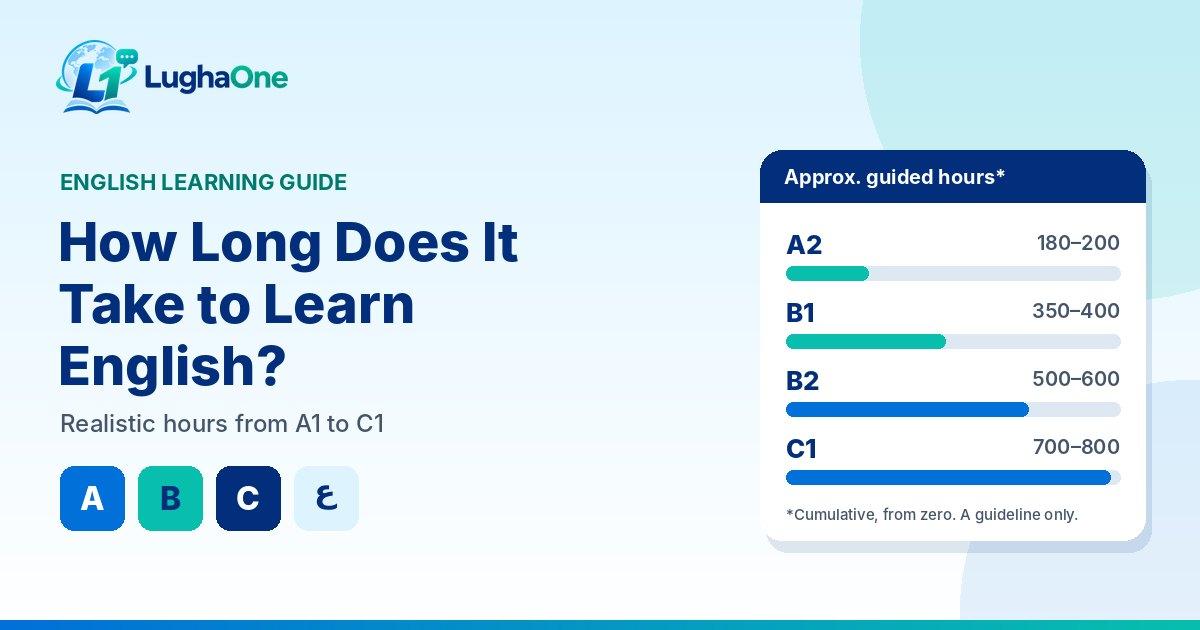
How Long Does It Take to Learn English? A Realistic Answer
A realistic answer in hours, not promises: approximate study time for each level from A1 to C2, the factors that change it, and simple weekly plans for busy learners.
Arabic Dialects
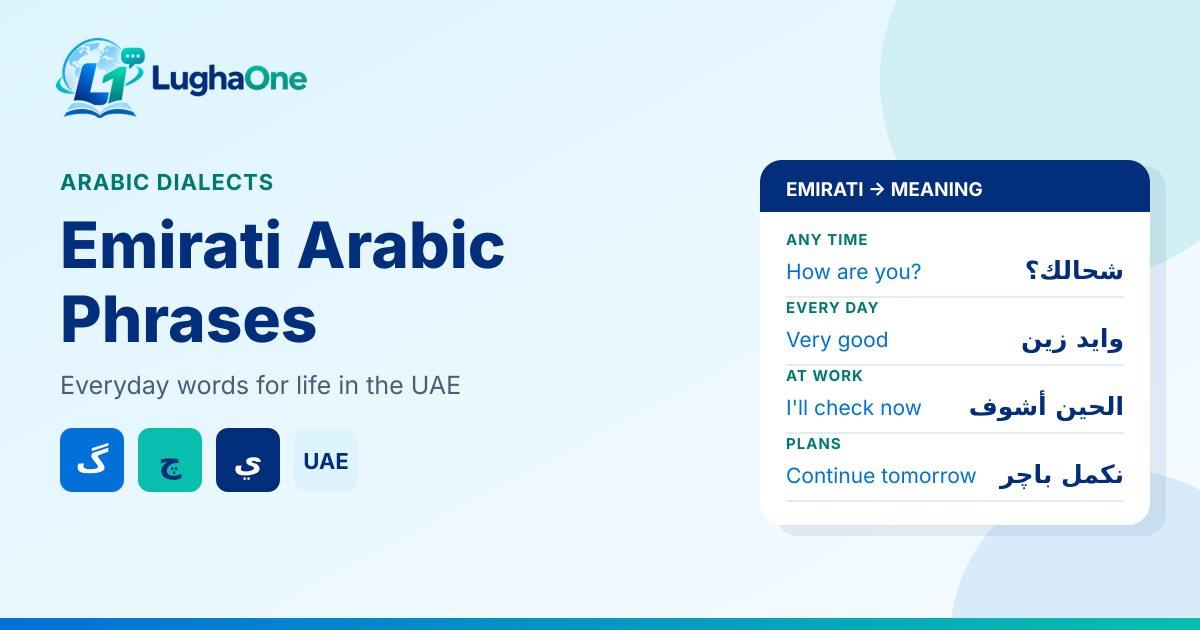
Emirati Arabic Phrases for Everyday Life in the UAE
The Emirati words and phrases you will actually hear in Dubai, Abu Dhabi and Sharjah: how the dialect sounds, everyday words, office and shop phrases, directions for taxis and Emirati hospitality.
Arabic for Beginners
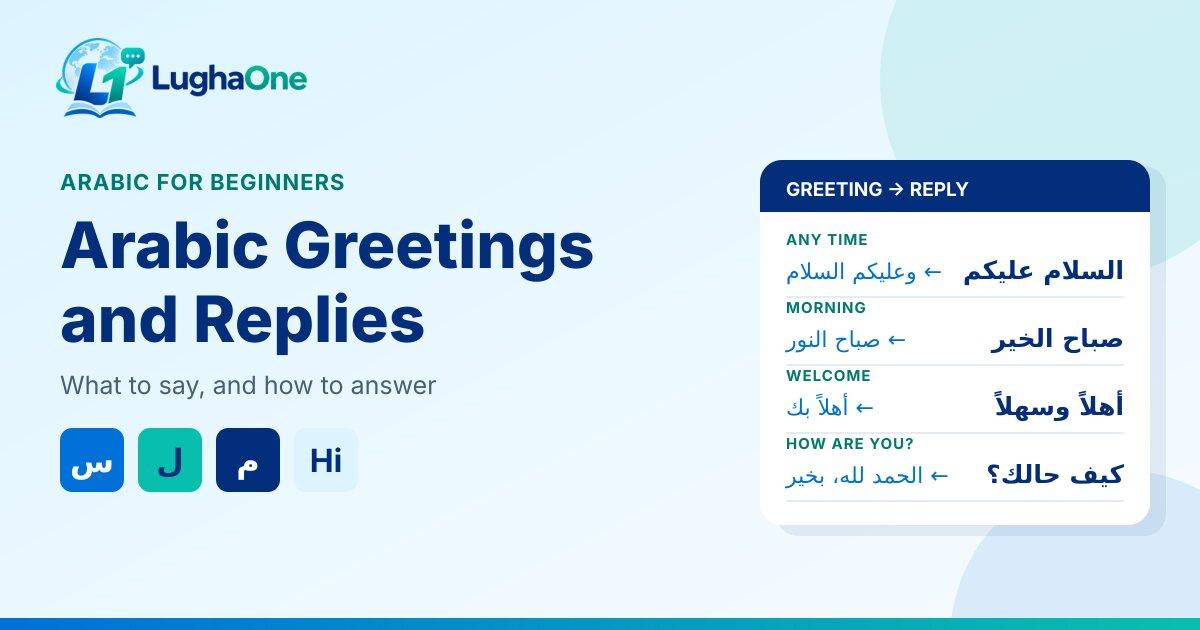
Arabic Greetings and Responses: What to Say and How to Reply
In Arabic, almost every greeting has a set reply. Learn the pairs for every time of day, how to ask how are you across the region, what to say on Ramadan and Eid, and the etiquette that goes with them.
Practical English
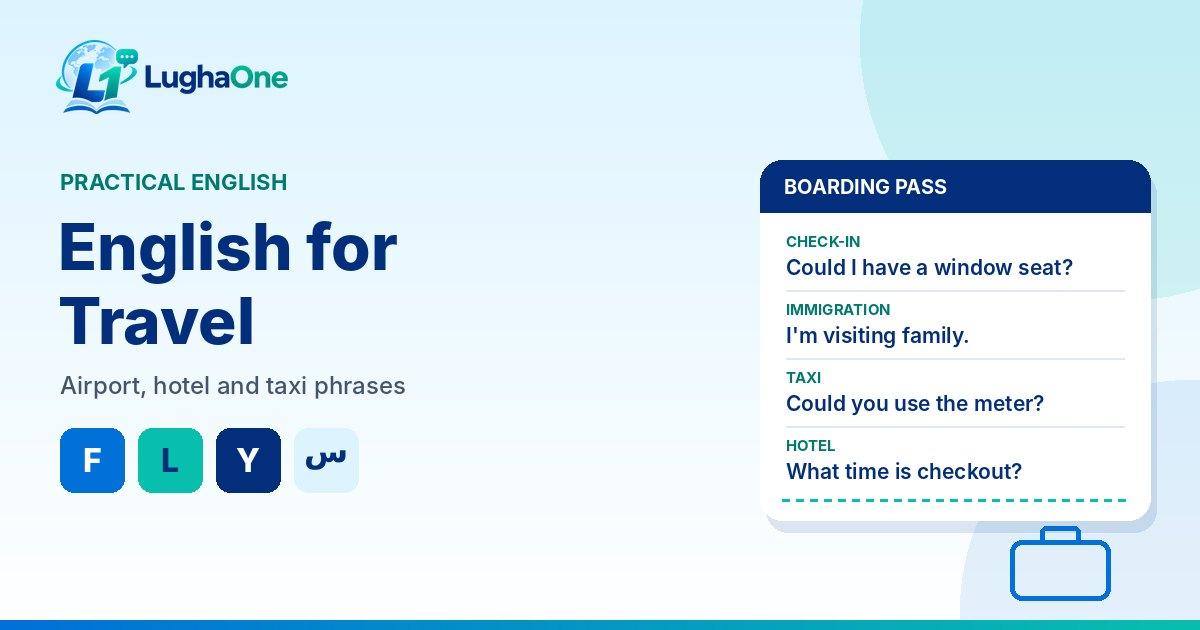
English for Travel: Airport, Hotel and Taxi Phrases You Will Actually Use
The English you need from the check-in desk to your hotel room: short, polite phrases for every step of the trip, the questions officers ask, and easy fixes for common mistakes.
Arabic Dialects
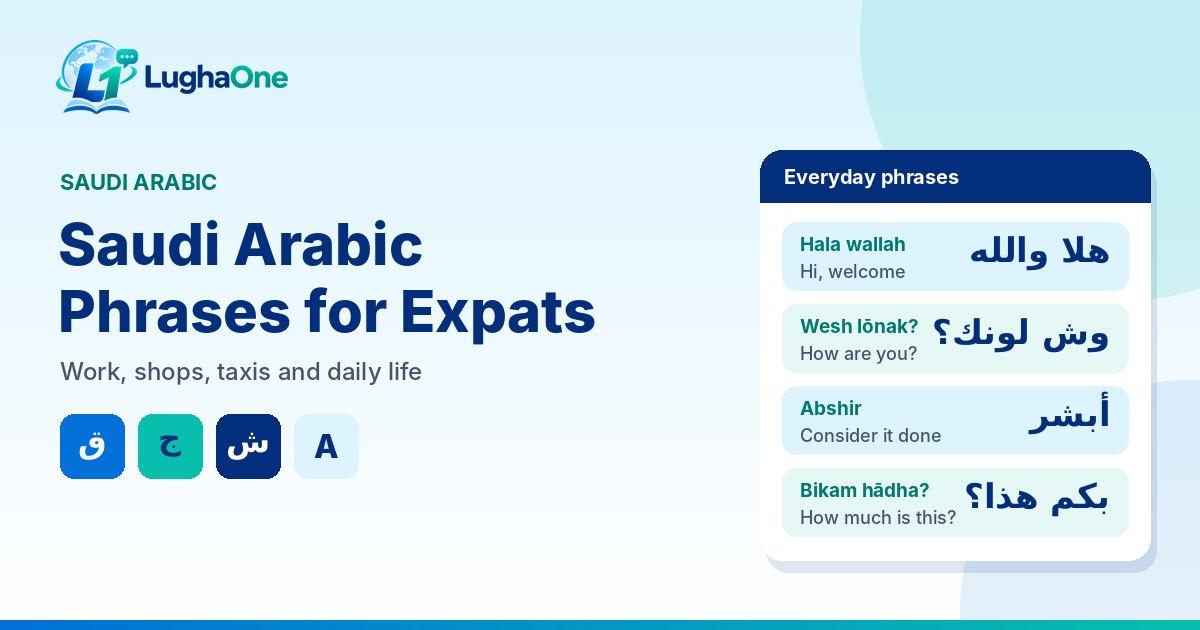
Saudi Arabic Phrases for Expats: Work, Shops and Daily Life
The everyday Saudi Arabic you will hear in Riyadh, Jeddah and beyond, from hala wallah and abshir to bikam hadha, with simple notes on Najdi and Hijazi speech.
English Grammar
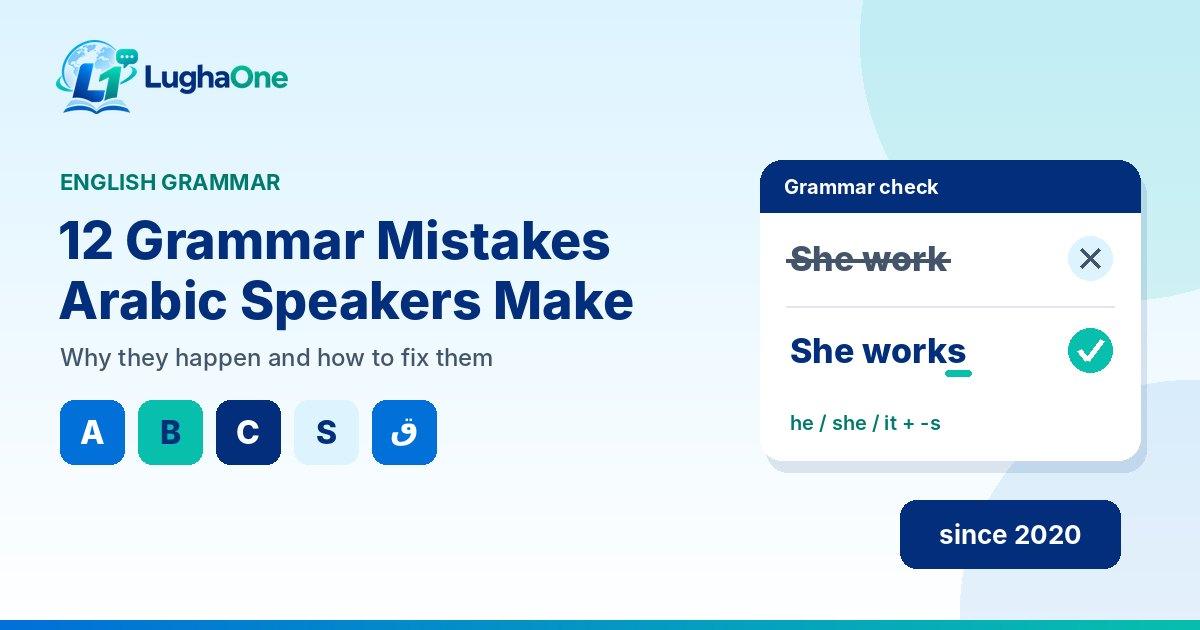
12 English Grammar Mistakes Arabic Speakers Make (and How to Fix Them)
Twelve grammar mistakes that come from thinking in Arabic while speaking English, why each one happens, and a simple correction you can start using today.
Business English
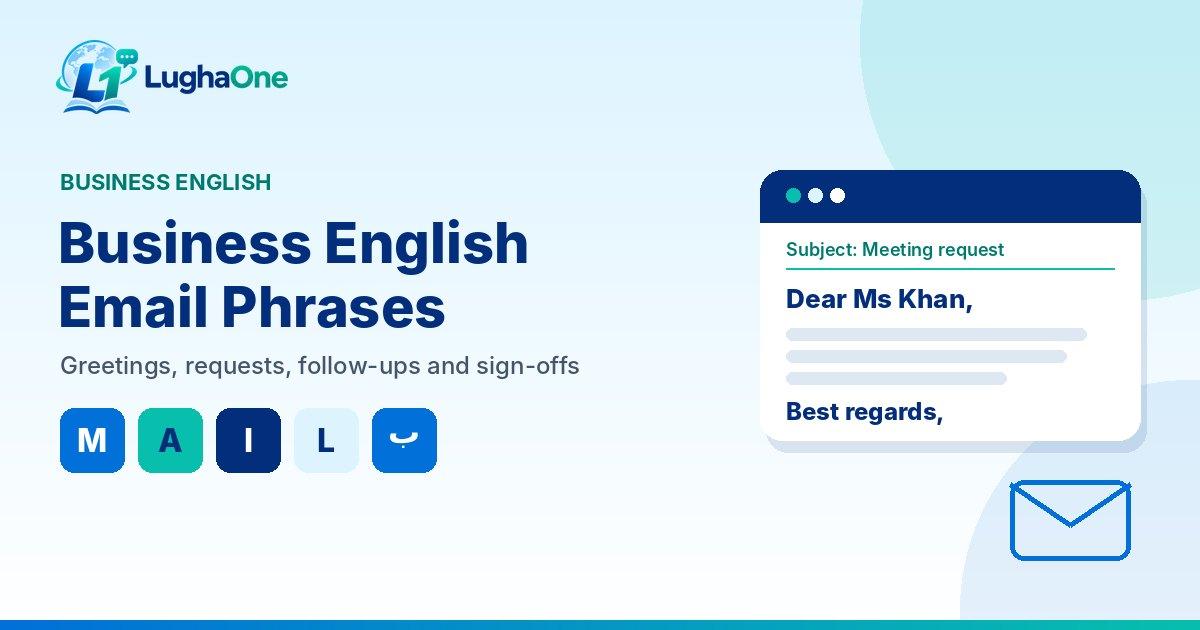
Business English Email Phrases: How to Write Clear, Professional Emails at Work
Ready-to-use phrases for every part of a work email, from the greeting to the sign-off, with a sample email you can adapt and the small mistakes that make emails sound less professional.
Business English
English Job Interview Questions and Answers: A Guide for Arabic Speakers
How to answer 'Tell me about yourself', 'Why should we hire you?' and other common interview questions in clear, confident English, with sample answers you can adapt.
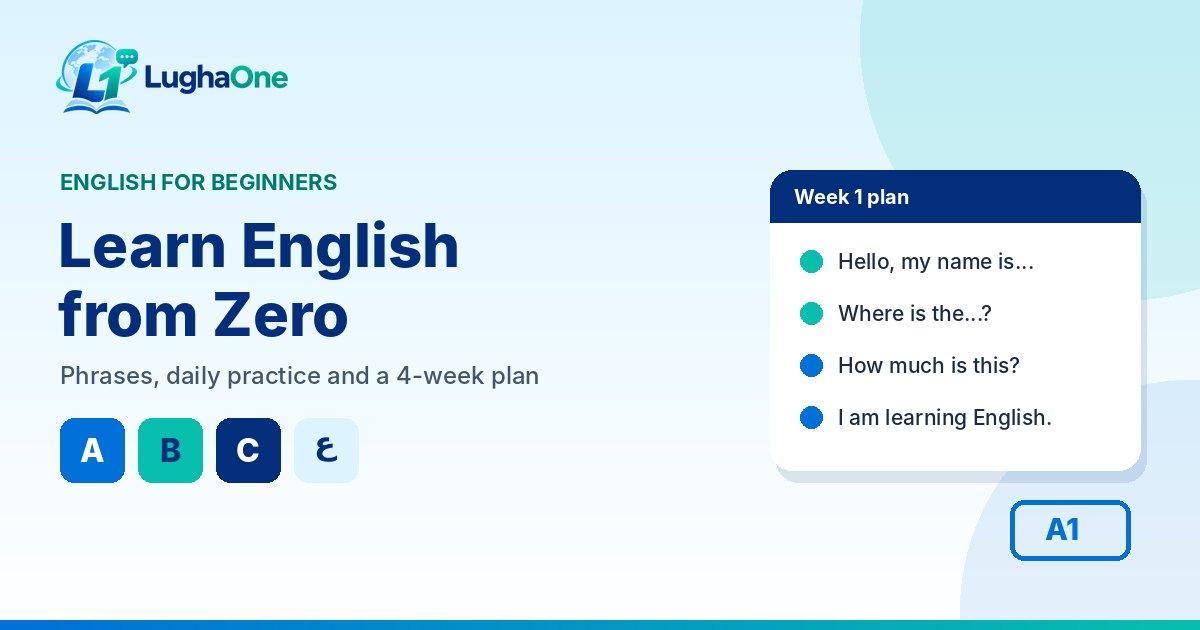
English learning
How to Learn English from Zero: A Practical Beginner's Guide
Start speaking with confidence: the first phrases to learn, a 15-minute daily routine, beginner mistakes to avoid and a simple four-week plan.
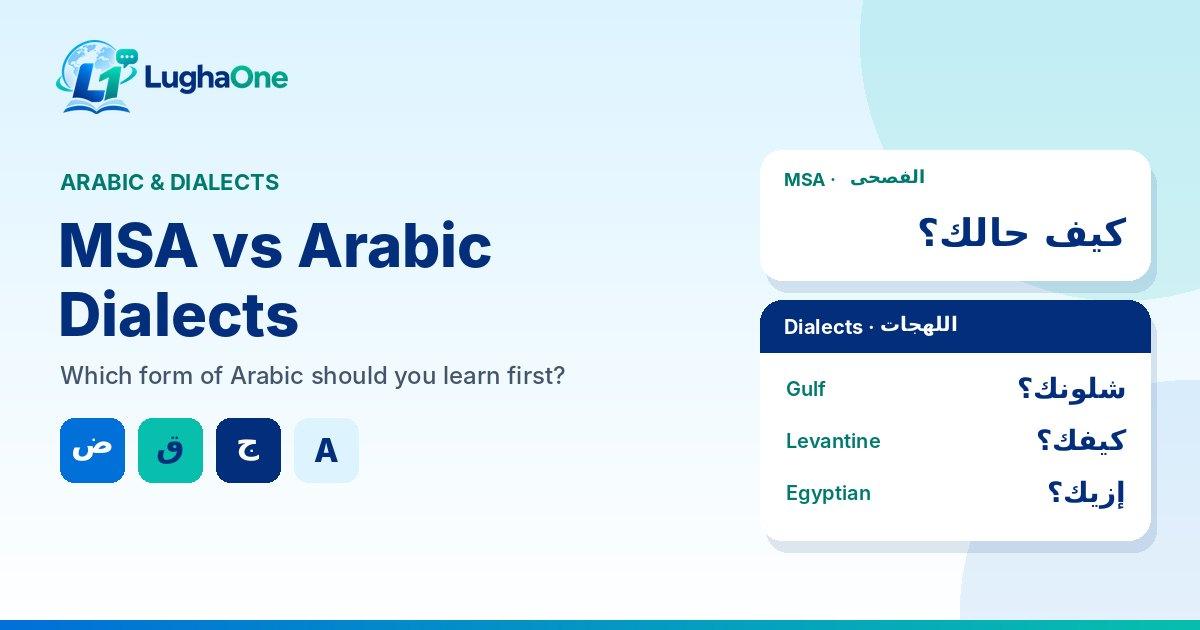
Arabic & dialects
Modern Standard Arabic vs. Arabic Dialects: Where Should You Start?
MSA or spoken Arabic? See how they differ in real examples, from 'How are you?' to the letter qaf, and choose the path that fits your goals.