
Arabic has more than one everyday form
When people compare Modern Standard Arabic vs dialects, they are comparing two layers of one language. Modern Standard Arabic (MSA), often called fusha, is the standardised form used in formal writing, news broadcasts, speeches and much educational material. People also communicate in regional spoken varieties that differ in vocabulary, pronunciation and grammar.
A learner who studies only MSA may understand a news headline but feel surprised by a casual conversation. A learner who studies only one spoken variety may communicate comfortably with friends while finding formal articles harder to read. Both paths are valuable.
What actually changes between MSA and the dialects
The differences are easiest to see in short, everyday examples. Transliterations below are approximate.
Everyday vocabulary
The same simple question can sound quite different from one region to another:
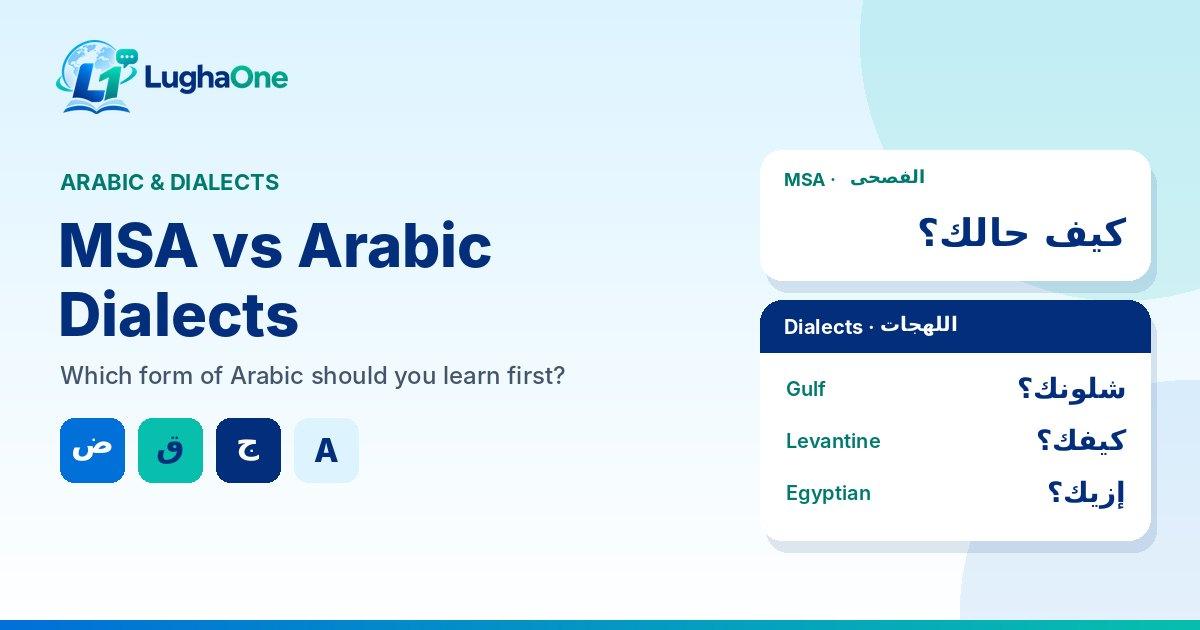
- "How are you?" — MSA: كيف حالك؟ (kayfa ḥāluk); Gulf: شلونك؟ (shlōnak); Levantine: كيفك؟ (kīfak); Egyptian: إزيك؟ (izzayyak).
- "Now" — MSA: الآن (al-ān); Gulf: الحين (al-ḥīn); Levantine: هلّق (hallaʾ); Egyptian: دلوقتي (dilwaʾti).
Pronunciation
Some letters are pronounced differently. The letter ق (qaf) is a deep "q" in MSA, is often pronounced like a "g" in much of the Gulf, and becomes a glottal stop in Cairo and in many Levantine cities. In Cairo, ج (jim) is usually pronounced like a hard "g".
Grammar
Dialects generally simplify grammar. Case endings that MSA uses in careful speech and formal reading are dropped in everyday conversation, and each dialect has its own ways to form the future and negation.
When Modern Standard Arabic makes sense
Choose MSA as a strong foundation if you want to read books, follow formal news, study academic material or communicate in formal settings across the Arabic-speaking world.
MSA also gives you shared grammar and vocabulary that can support later dialect learning, although it does not replace everyday spoken practice.
When a dialect is the better first step
If your main goal is to speak with family, make friends or feel at home in a particular country, learning the local spoken variety early can be especially practical.
For example, someone moving to Riyadh may prioritise Saudi Arabic, while a person spending time in Dubai may benefit from Emirati Arabic. A learner connecting with relatives in Palestine may want Palestinian Arabic. There is no single dialect that is best for everyone.
Questions to ask before you choose
Your answers to these questions usually point clearly to the right first step:
- Where will you use Arabic most: at work, with family, while travelling, or in reading and study?
- Who will you speak with? Colleagues from many countries, or people from one region?
- Do you need to read and write formal Arabic soon, for example for work documents or study?
- Which accent do you hear most often around you or in the media you enjoy?
A balanced learning plan
You can combine the two approaches. Start with a small set of expressions in your target dialect, and add reading and grammar practice in MSA as your goals develop.
Compare how the same idea is expressed in formal and conversational Arabic. Pay attention to the people and situations where each form sounds natural rather than treating one form as a mistake.
- For reading and formal communication: begin with MSA.
- For conversations in a particular place: prioritise that region's dialect.
- For long-term versatility: combine MSA with one spoken variety.
Explore a path that suits you on LughaOne
LughaOne includes learning tracks for Modern Standard Arabic and for Saudi, Emirati, Palestinian, Levantine, Egyptian and Yemeni Arabic, with reviewed A1 and A2 lessons, listening at normal or slow speed, saved words, flashcards and quizzes. In Saudi and Egyptian Arabic you can also record words and get AI pronunciation scores. Choose the path that reflects the conversations or reading you want to do, and try it free for 3 days, no card needed.
Keep exploring
Family Learning
Learning a Language as a Family: Ideas That Actually Work
Learning a new language together can be one of the best family projects you start this year, as long as you keep it short, playful and built into the routines you already have.
Career English
English for Customer Service Jobs: Phrases That Sound Professional
Good customer service English is not about long words. It is about a small set of polite, clear phrases you can use every day in shops, hotels, restaurants and help desks.
Chinese for beginners
Learning Mandarin Chinese: A Realistic Starting Plan for Beginners
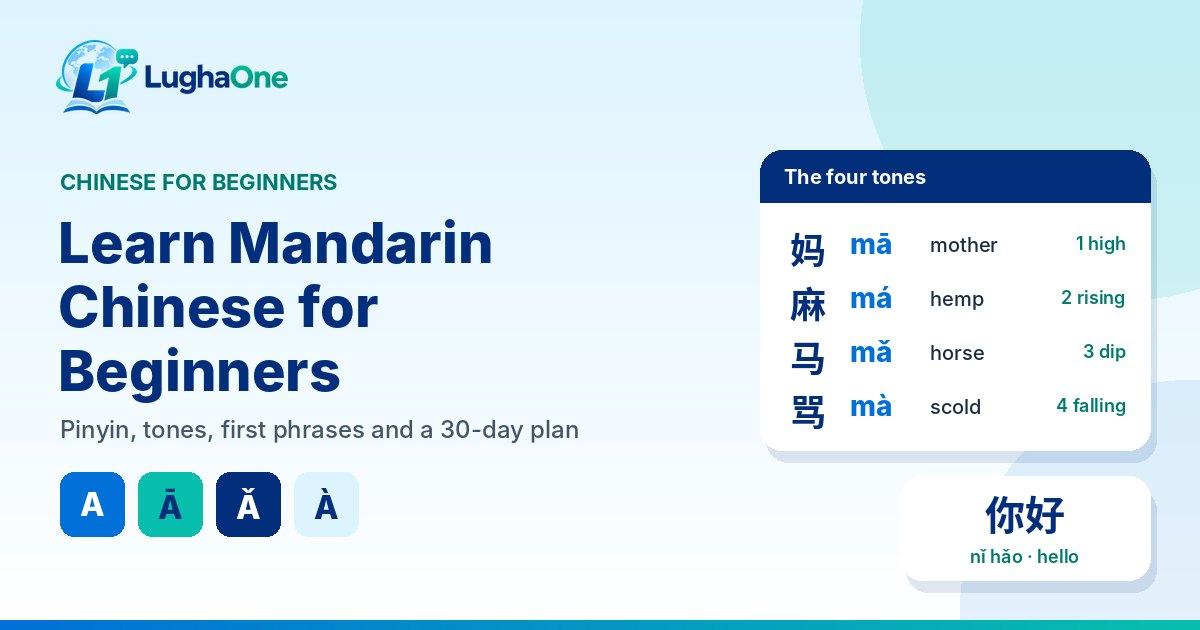
Mandarin looks impossible from the outside, but the first month is very manageable if you start in the right order: pinyin and tones first, then survival phrases, simple sentence patterns and your first characters.
Business English
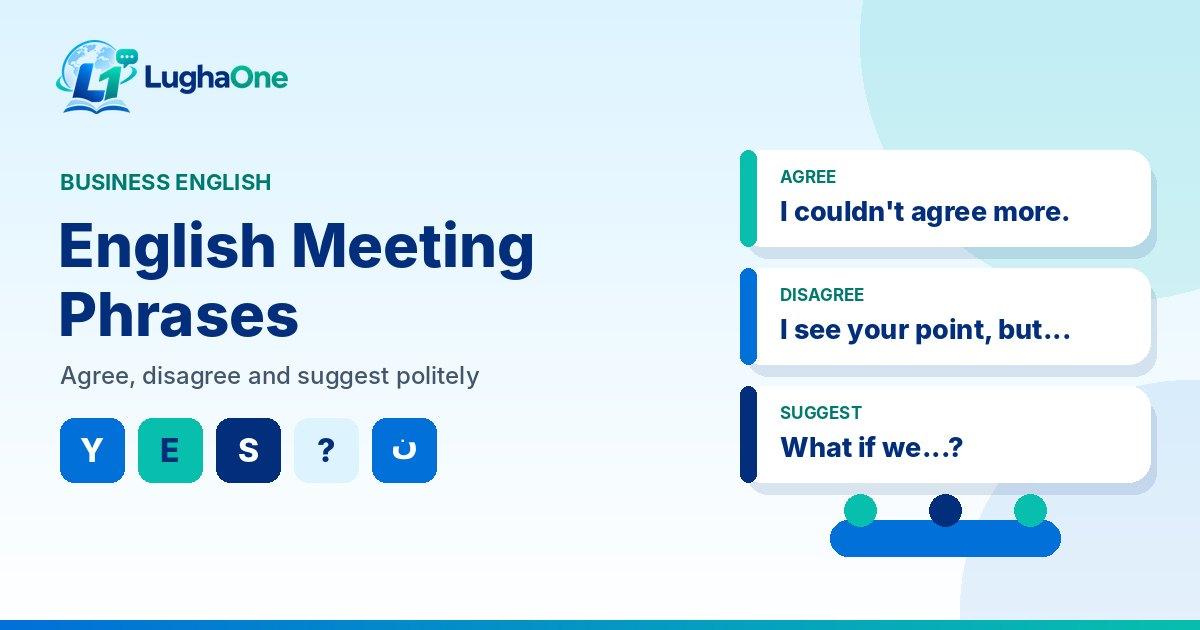
English Meeting Phrases: Agree, Disagree and Suggest Politely
Ready-to-use English for meetings in the office or on video calls: how to open, agree, disagree without sounding rude, suggest ideas, interrupt politely and close with clear next steps.
Learn languages
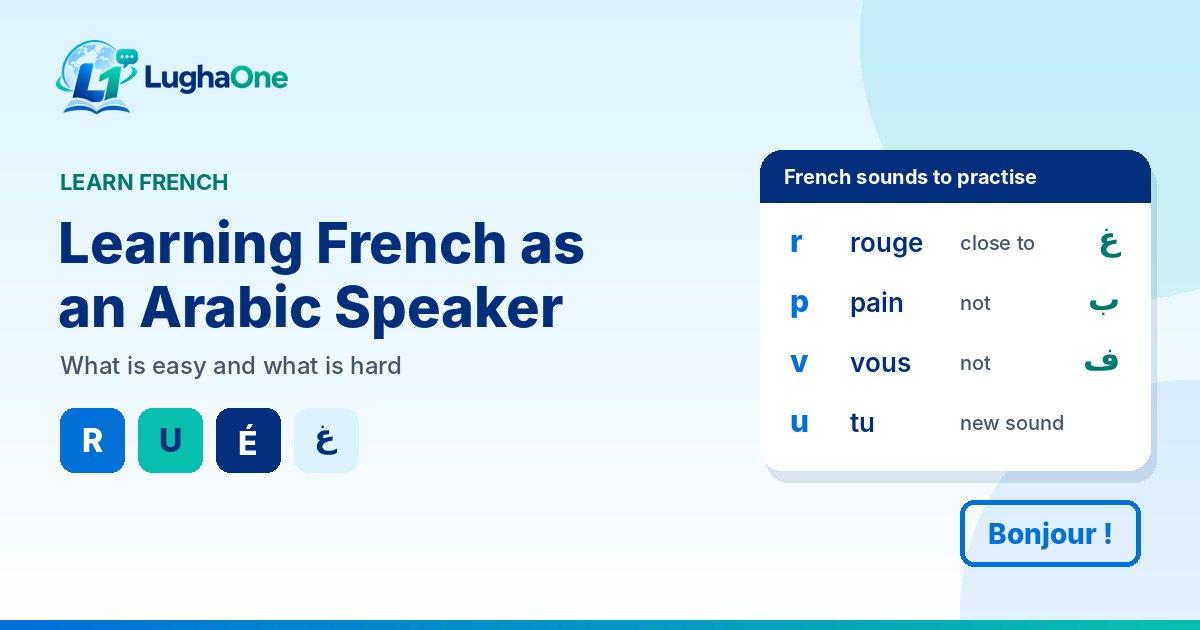
Learning French as an Arabic Speaker: What Is Easy and What Is Hard
Arabic speakers start French with more advantages than they think: the French r, grammatical gender and adjectives after the noun all feel familiar. Here is what comes easily, what takes practice, and how to start.
Business English
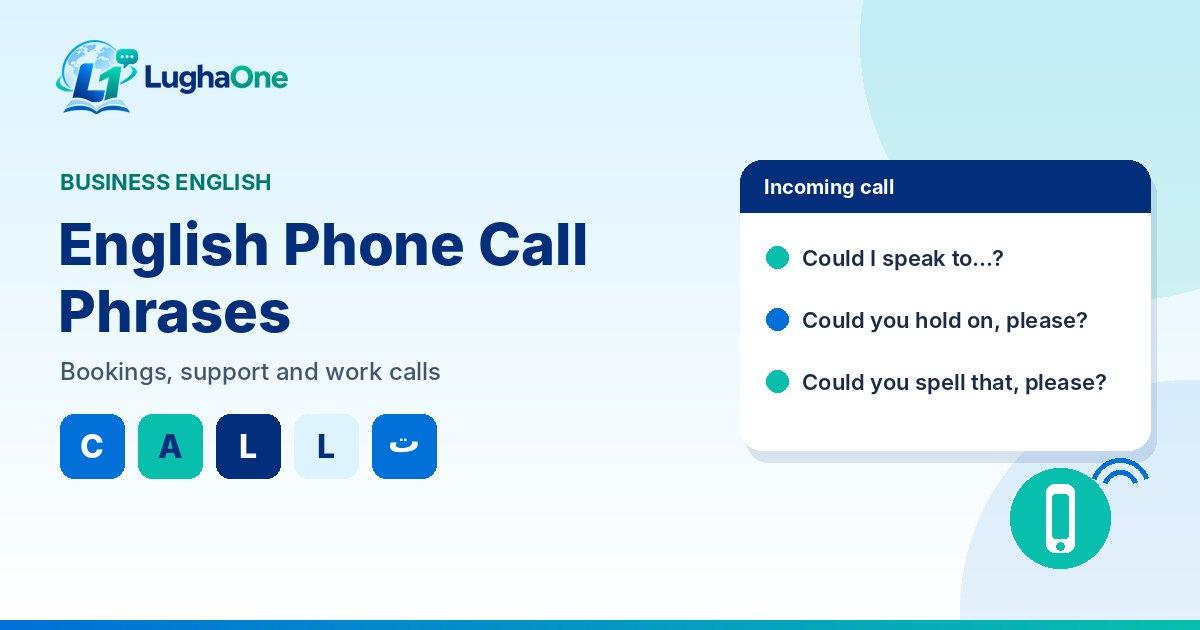
English Phone Call Phrases: Bookings, Support and Work Calls
Phone calls are harder than face-to-face English: no gestures, no lips to read, and the other person is waiting. These ready-to-use phrases for work calls, bookings and customer support help you sound calm, clear and polite.
Study Skills
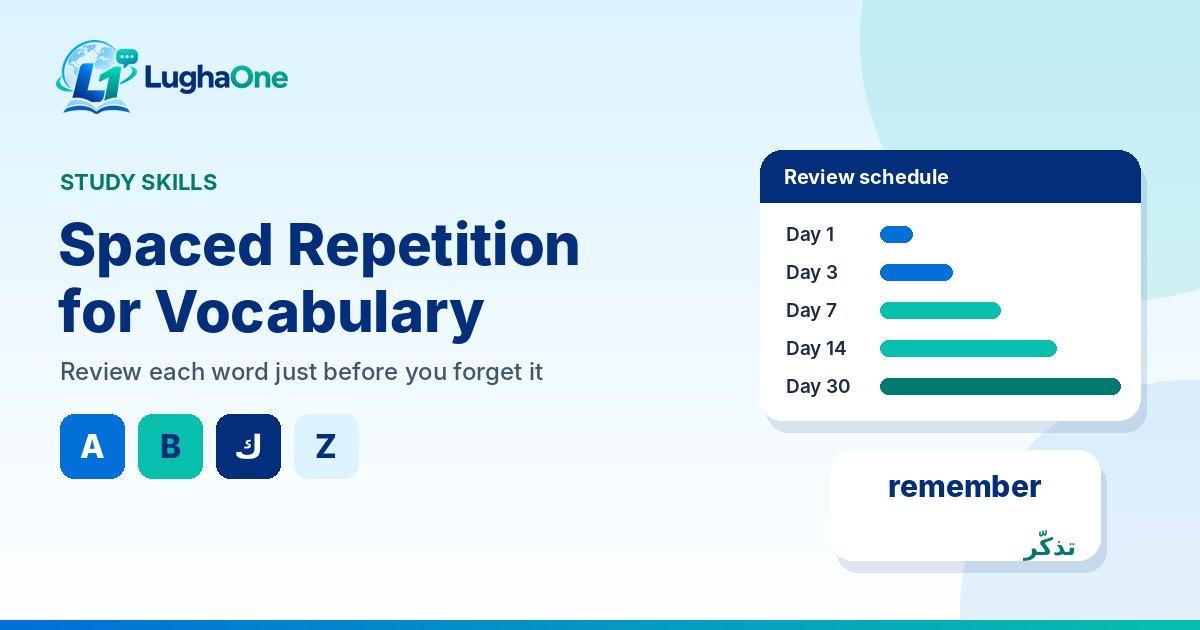
Spaced Repetition: Remember New Vocabulary for Longer
You learn twenty new words on Monday and remember five by Friday. Spaced repetition fixes that: review each word just before you would forget it, at growing intervals. Here is how it works and how to use it with paper or an app.
Family Learning
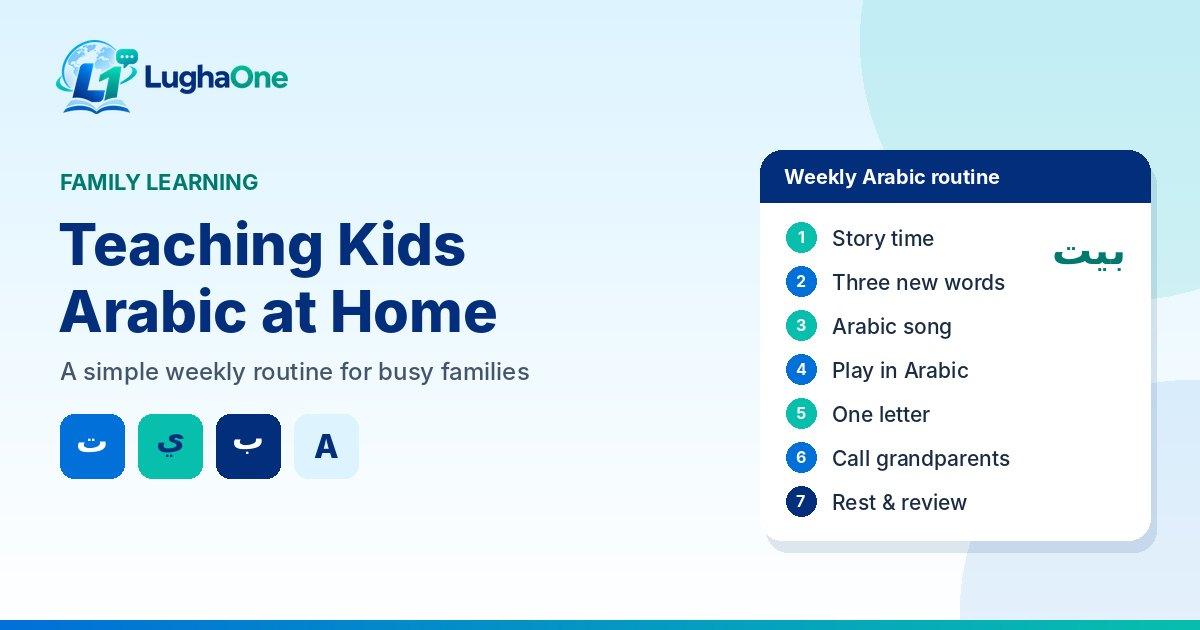
Teaching Kids Arabic at Home: A Simple Weekly Routine
A practical plan for Arab families abroad and mixed families: short daily Arabic moments, a seven-day routine, how to handle dialect and Modern Standard Arabic, and how to keep going when your child answers in English.

Learning Tips
How AI Can Help You Practise Speaking a New Language
Speaking is the skill most learners practise least. Here is what AI speaking practice can and cannot do, a simple 20-minute routine, ready-to-use role-play prompts and tips for Arabic speakers learning English.

Business English
English Small Talk at Work: Natural Phrases for the Office
Short, natural English for the moments before meetings, in the lift and at the coffee machine: how to start, what to talk about, how to keep it going and how to leave politely.
Learn Arabic
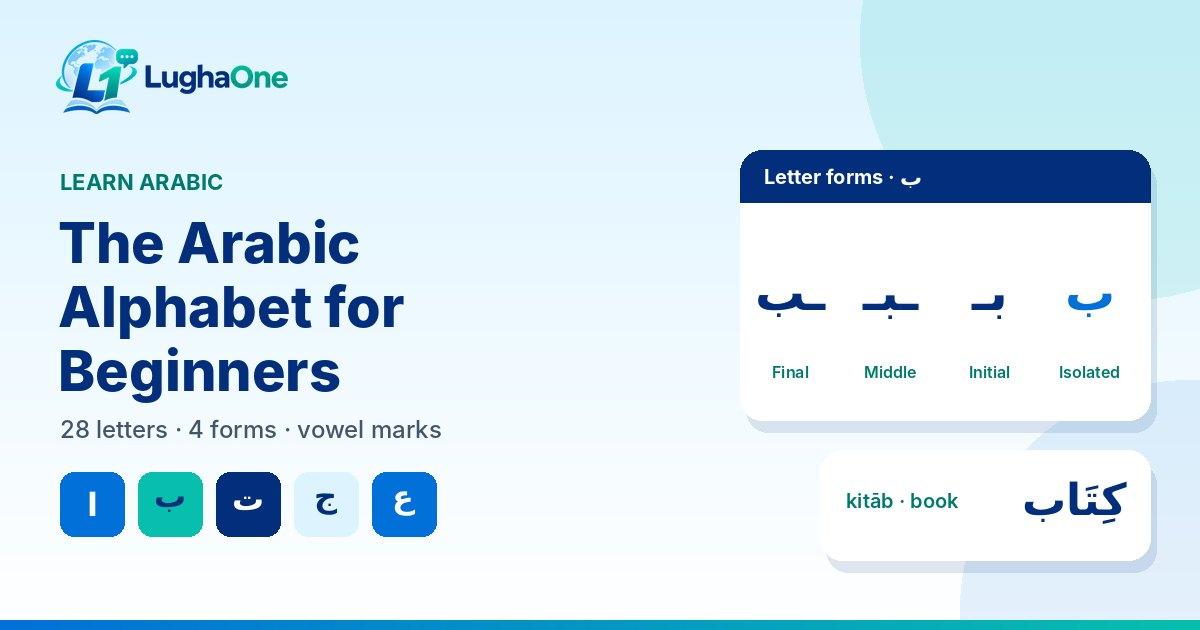
The Arabic Alphabet for Beginners: Letters, Shapes and Sounds
Learn to read Arabic step by step: how the script works, the 28 letters grouped by shape, how letters change at the start, middle and end of a word, vowel marks and a two-week practice plan.
Learning Tips
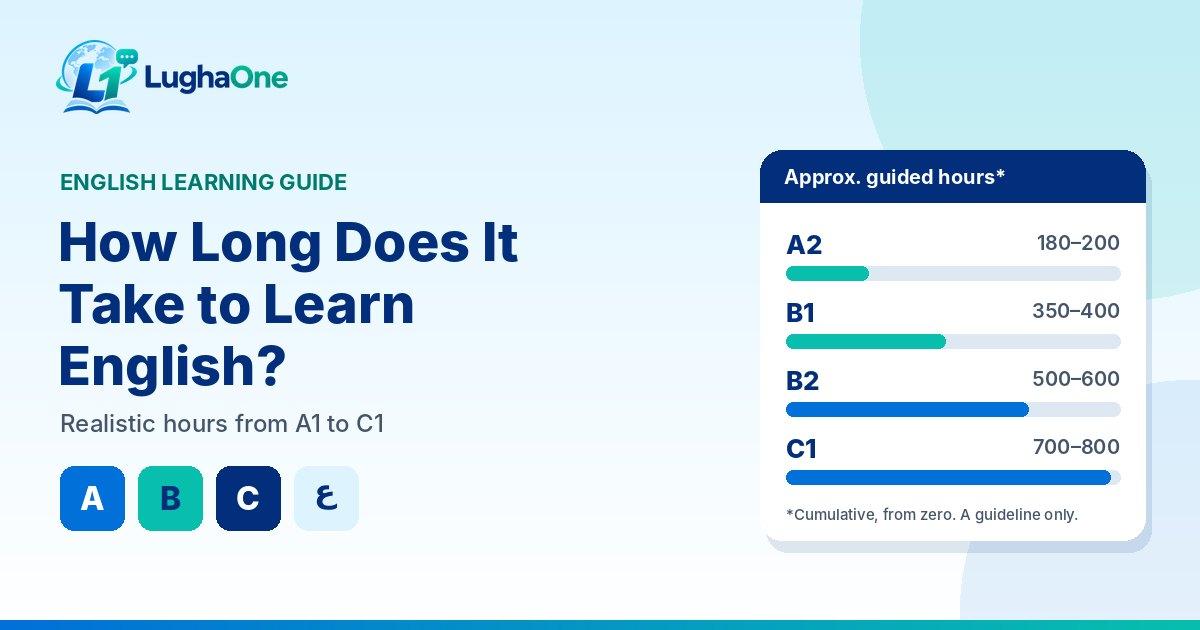
How Long Does It Take to Learn English? A Realistic Answer
A realistic answer in hours, not promises: approximate study time for each level from A1 to C2, the factors that change it, and simple weekly plans for busy learners.
Arabic Dialects
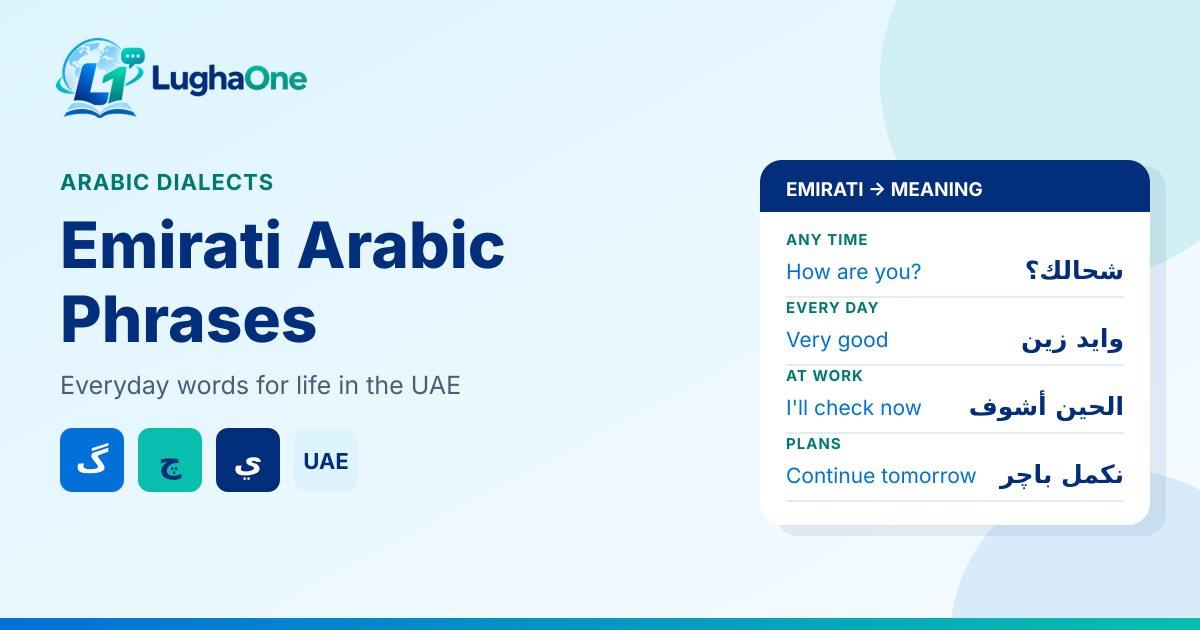
Emirati Arabic Phrases for Everyday Life in the UAE
The Emirati words and phrases you will actually hear in Dubai, Abu Dhabi and Sharjah: how the dialect sounds, everyday words, office and shop phrases, directions for taxis and Emirati hospitality.
Arabic for Beginners
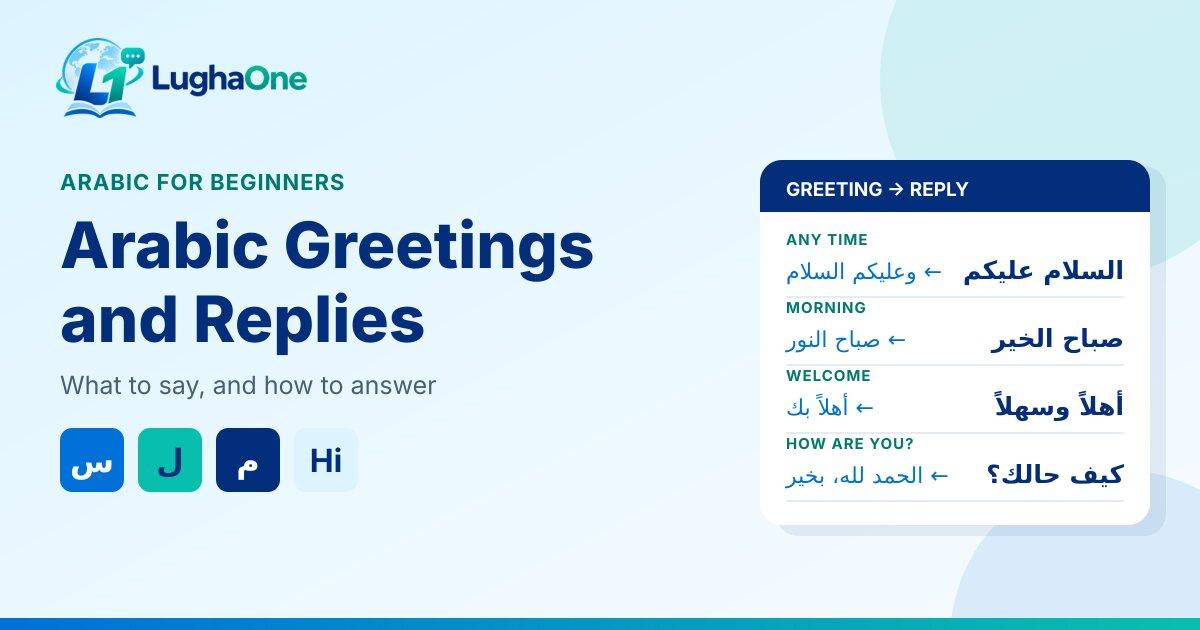
Arabic Greetings and Responses: What to Say and How to Reply
In Arabic, almost every greeting has a set reply. Learn the pairs for every time of day, how to ask how are you across the region, what to say on Ramadan and Eid, and the etiquette that goes with them.
Practical English
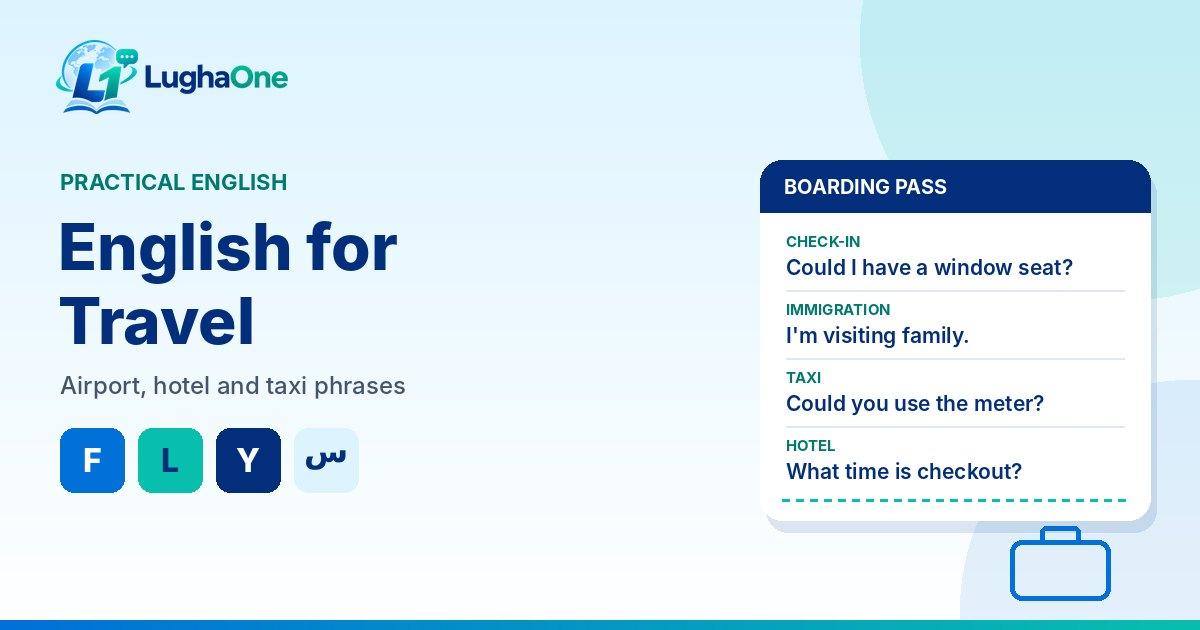
English for Travel: Airport, Hotel and Taxi Phrases You Will Actually Use
The English you need from the check-in desk to your hotel room: short, polite phrases for every step of the trip, the questions officers ask, and easy fixes for common mistakes.
Arabic Dialects
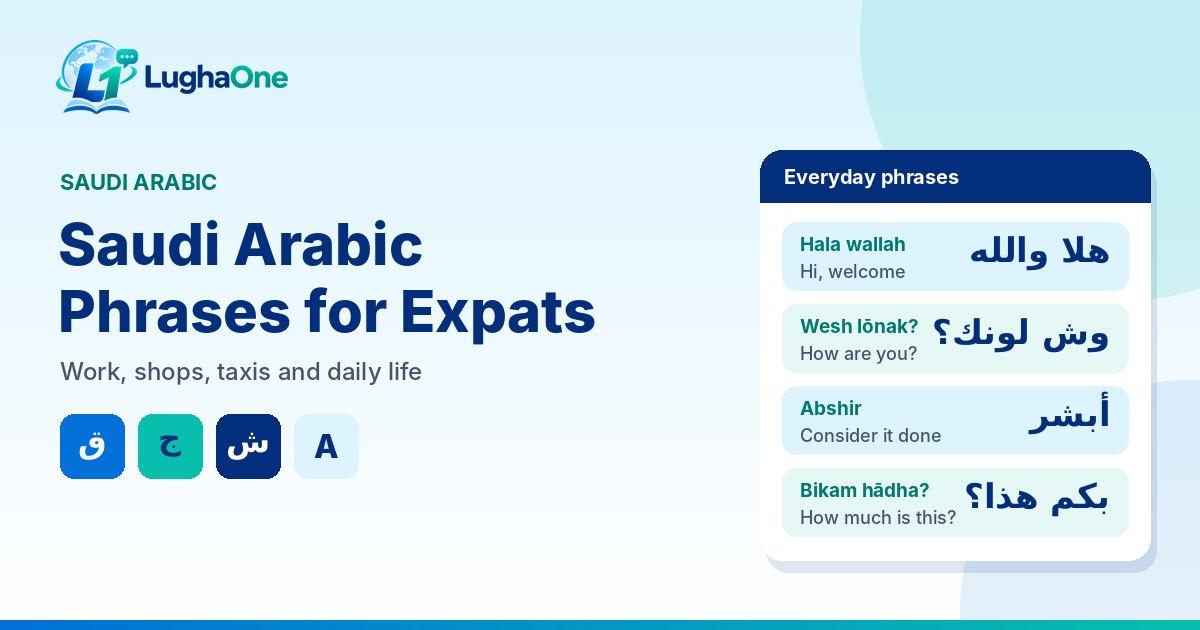
Saudi Arabic Phrases for Expats: Work, Shops and Daily Life
The everyday Saudi Arabic you will hear in Riyadh, Jeddah and beyond, from hala wallah and abshir to bikam hadha, with simple notes on Najdi and Hijazi speech.
English Grammar
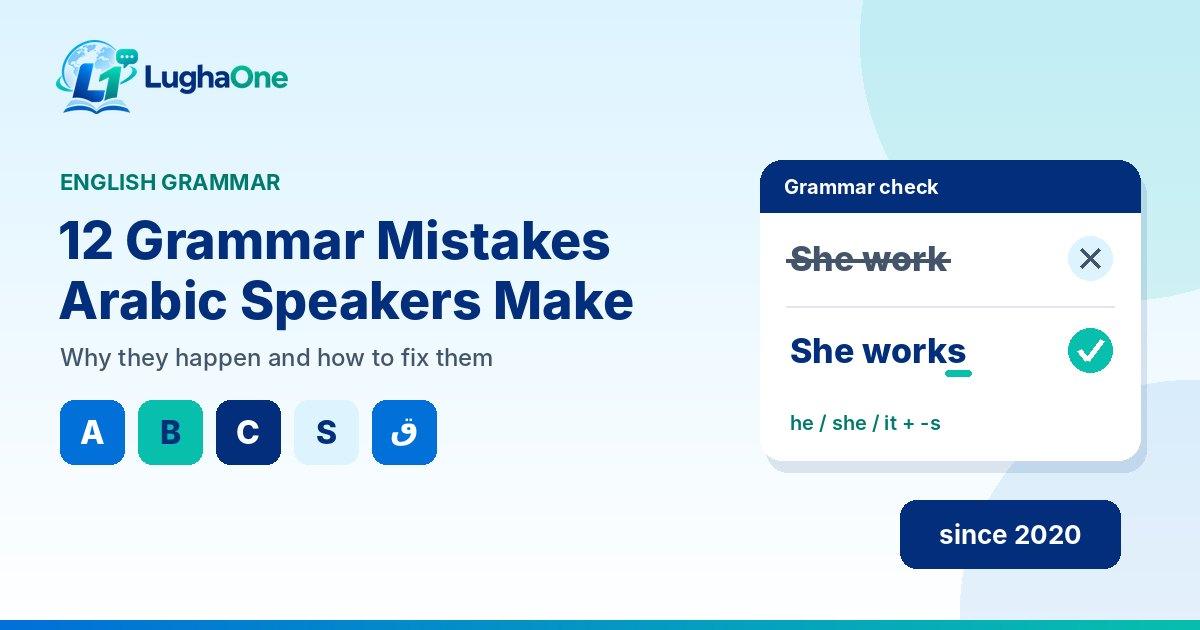
12 English Grammar Mistakes Arabic Speakers Make (and How to Fix Them)
Twelve grammar mistakes that come from thinking in Arabic while speaking English, why each one happens, and a simple correction you can start using today.
Business English
Business English Email Phrases: How to Write Clear, Professional Emails at Work
Ready-to-use phrases for every part of a work email, from the greeting to the sign-off, with a sample email you can adapt and the small mistakes that make emails sound less professional.

Business English
English Job Interview Questions and Answers: A Guide for Arabic Speakers
How to answer 'Tell me about yourself', 'Why should we hire you?' and other common interview questions in clear, confident English, with sample answers you can adapt.
Pronunciation
English Pronunciation for Arabic Speakers: Fix P/B, V/F and More
Why 'parking' turns into 'barking' and 'very' into 'fery', and simple daily drills that make your English clearer in meetings, interviews and travel.
English learning
How to Learn English from Zero: A Practical Beginner's Guide
Start speaking with confidence: the first phrases to learn, a 15-minute daily routine, beginner mistakes to avoid and a simple four-week plan.