
Why a routine beats a big plan
If you want to teach kids Arabic at home, the hardest part is rarely the Arabic itself. It is consistency. Many families start with a stack of workbooks and a strict timetable, then stop after two weeks when school, homework and screens take over. A small routine that fits into the life you already have works far better than an ambitious plan you cannot keep.
This guide is for Arab families living abroad, mixed families where only one parent speaks Arabic, and parents who want their children to stay connected to the language of their grandparents. You will find a simple weekly routine, daily habits that take minutes, and honest answers to common worries, such as what to do when your child replies in English.
Start with three decisions
Before you buy anything, agree on three things as a family. They make every later step easier.
1. Who speaks Arabic, and when
Children pick up a language when they need it to communicate with someone they love. Some families use "one parent, one language": one parent always speaks Arabic, the other speaks the community language. Others choose "Arabic at home, English outside", or Arabic at certain times, such as dinner and bedtime. Any of these can work. What matters is that the rule is clear and that Arabic is used for real conversations, not only for lessons.
2. Which Arabic
Your child will hear your dialect at home, whether it is Egyptian, Levantine, Saudi or another variety, and that is a good thing: it is the Arabic of family calls and visits. Modern Standard Arabic (الفصحى) is the Arabic of books, school and the news. Most families speak their dialect naturally and introduce MSA through stories, songs and reading. You do not have to choose one forever.
3. What success looks like this year
Pick a realistic goal for the next few months: understanding everyday instructions, chatting with grandparents on video calls, or reading the alphabet. A clear, small goal keeps you motivated and stops you comparing your child with others.
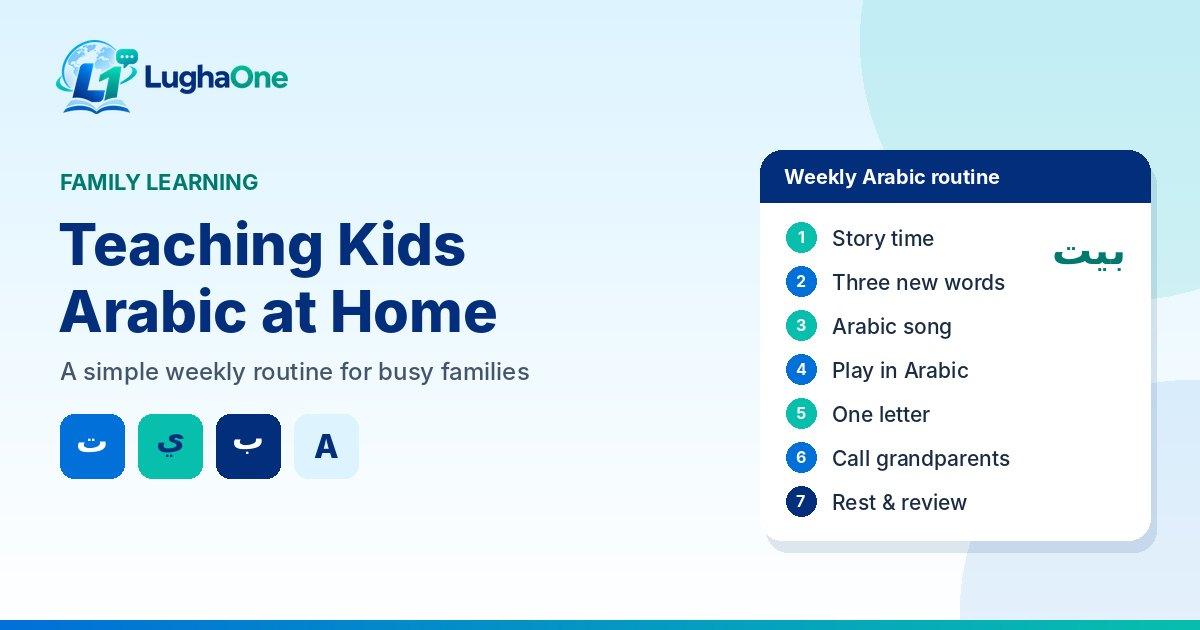
A simple weekly routine for teaching kids Arabic
This routine needs about 10 to 20 minutes a day, plus the Arabic you already speak at home. Adjust the days to your family's week; in the Gulf the weekend may be Friday and Saturday, while in Europe and North America it is usually Saturday and Sunday.
- Day 1, story day: read or tell one short story in Arabic. Pause to point at pictures and ask simple questions: وين القطة؟ (where is the cat?).
- Day 2, word day: choose three words from daily life, such as باب (door), ماء (water) and شباك (window), and use them all day. Stick paper labels on the objects if your child likes that.
- Day 3, song day: sing one Arabic children's song or nursery rhyme together. Songs are easy to repeat in the car or at bath time.
- Day 4, play day: play a game only in Arabic, such as "I spy" with colours (أحمر red, أزرق blue, أخضر green) or a simple shop game with toy food.
- Day 5, letters day: for school-age children, practise one or two letters of the alphabet: their sound, their shape and a word that starts with them.
- Day 6, family day: a video call with grandparents or cousins, or cooking a family recipe together while naming the ingredients in Arabic.
- Day 7, rest and review: no new material. Look back at the week's words, repeat a favourite song, and praise what your child remembers.
Daily habits that take almost no time
The routine above is the structure. These small habits are where most of the language actually grows, because they repeat every day without extra effort.
- Narrate what you do: "Now we're putting on shoes, نلبس الحذاء". Describing everyday actions gives children hundreds of useful phrases.
- Keep one Arabic moment fixed, such as the bedtime story or the walk to school. A fixed time is easier to protect than "whenever we can".
- Use Arabic for feelings and affection. Words like حبيبي / حبيبتي (my dear), شاطر / شاطرة (clever) and يلا (let's go) connect the language with warmth.
- Offer choices in Arabic: "تبي تفاحة ولا موزة؟" (Gulf: do you want an apple or a banana?). Your child has to understand to answer.
- Keep screens useful: if your child watches cartoons, choose some in Arabic and watch a few minutes together so you can talk about them afterwards.
When your child answers in English
Almost every bilingual family goes through this. The community language is stronger, so children use it with you too. It does not mean they are rejecting Arabic, and it does not mean your efforts have failed.
Stay calm and keep speaking Arabic yourself. Repeat their answer back in Arabic in a natural way, without forcing them to repeat it: if they say "I want water", reply in Gulf Arabic "تبي ماء؟ تفضل" (you want water? here you go). Create situations where Arabic is genuinely needed, such as calls with a grandparent who speaks little English. Praise every Arabic word they use, and avoid turning the language into a punishment or a test.
Child health and education services in several countries publish advice for families who speak another language at home, and they generally encourage parents to keep using the language they speak most comfortably. Using Arabic at home does not stop children from learning the language of their school.
Reading and writing: when and how to start
Speaking and listening come first. Once your child enjoys stories and understands everyday Arabic, you can introduce letters, usually alongside learning to read at school.
- Start with letter sounds and the letters in your child's name before the full alphabet.
- Show that Arabic letters change shape depending on their position in a word, but do not drill all the forms at once.
- Read short, illustrated books with full vowel marks (التشكيل), which make words easier to sound out.
- Write together for a real purpose: a birthday card for a grandparent, a shopping list or a label for a toy box.
What if you are not confident in Arabic yourself?
In many mixed families, the parent who handles homework and bedtime is the one who speaks less Arabic. That is fine. Children benefit when a parent learns alongside them: you model curiosity, you can repeat the same words they are learning, and the Arabic-speaking parent or relatives provide the natural conversation.
If your own Arabic is rusty or limited to a few phrases, spend ten minutes a day on it yourself. Learn the words your child is learning this week, a few greetings and the phrases you use at mealtimes. Your progress will make the routine easier to keep.
Learn Arabic as a family with LughaOne
LughaOne can support the adults and older learners in your home. It offers Modern Standard Arabic and six Arabic dialect tracks (Saudi, Emirati, Palestinian, Levantine, Egyptian and Yemeni), with reviewed A1 and A2 lessons, listening at normal or slow speed, saved words, flashcards and quizzes, and an AI tutor that answers questions about each lesson. Pronunciation practice with AI accuracy and fluency scores is available for Saudi and Egyptian Arabic.
Family plans include up to six accounts, so each family member can keep their own progress. Start with the 3-day free trial, no card needed, and learn this week's words before your child does.
Keep exploring
Family Learning
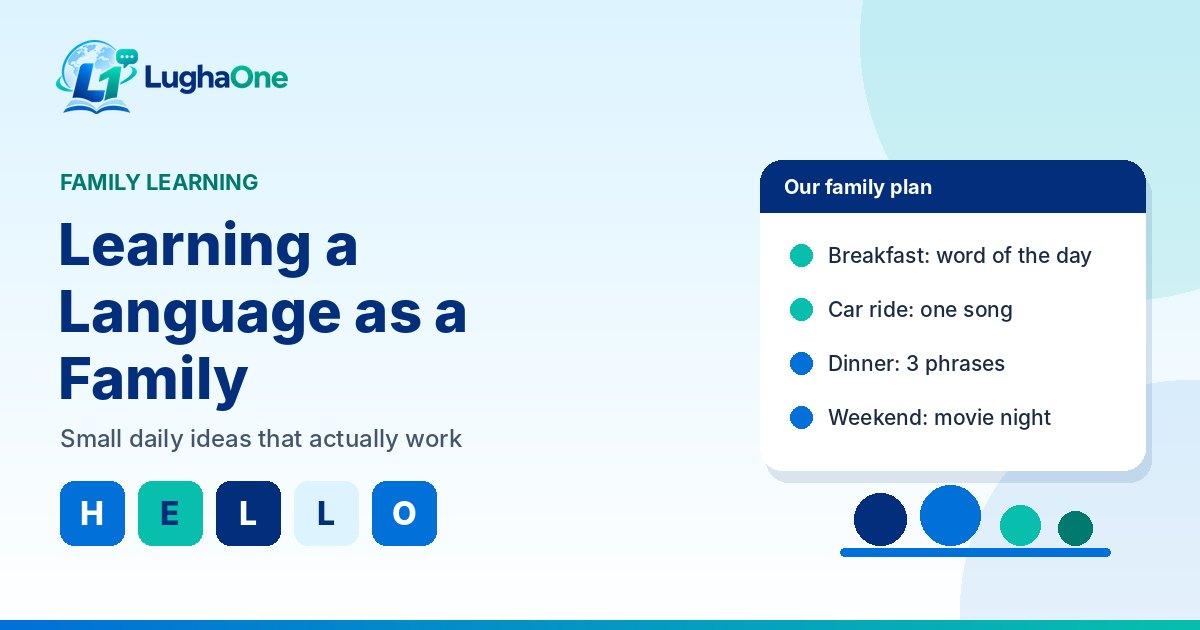
Learning a Language as a Family: Ideas That Actually Work
Learning a new language together can be one of the best family projects you start this year, as long as you keep it short, playful and built into the routines you already have.
Career English
English for Customer Service Jobs: Phrases That Sound Professional
Good customer service English is not about long words. It is about a small set of polite, clear phrases you can use every day in shops, hotels, restaurants and help desks.
Chinese for beginners
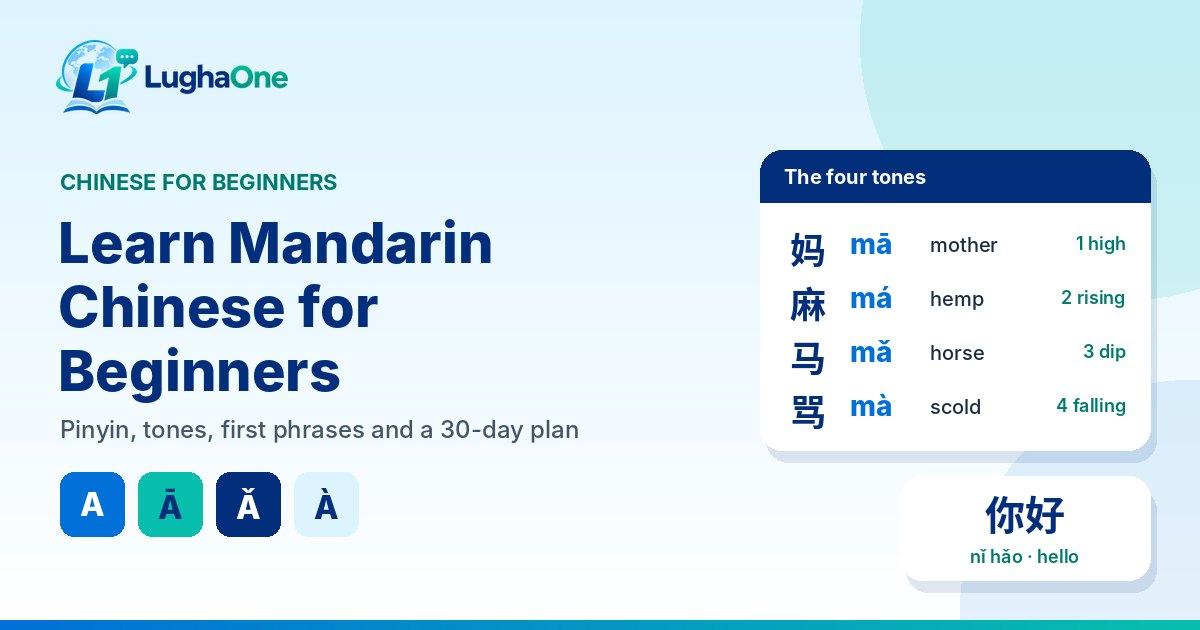
Learning Mandarin Chinese: A Realistic Starting Plan for Beginners
Mandarin looks impossible from the outside, but the first month is very manageable if you start in the right order: pinyin and tones first, then survival phrases, simple sentence patterns and your first characters.
Business English
English Meeting Phrases: Agree, Disagree and Suggest Politely
Ready-to-use English for meetings in the office or on video calls: how to open, agree, disagree without sounding rude, suggest ideas, interrupt politely and close with clear next steps.
Learn languages
Learning French as an Arabic Speaker: What Is Easy and What Is Hard
Arabic speakers start French with more advantages than they think: the French r, grammatical gender and adjectives after the noun all feel familiar. Here is what comes easily, what takes practice, and how to start.
Business English
English Phone Call Phrases: Bookings, Support and Work Calls
Phone calls are harder than face-to-face English: no gestures, no lips to read, and the other person is waiting. These ready-to-use phrases for work calls, bookings and customer support help you sound calm, clear and polite.
Study Skills
Spaced Repetition: Remember New Vocabulary for Longer
You learn twenty new words on Monday and remember five by Friday. Spaced repetition fixes that: review each word just before you would forget it, at growing intervals. Here is how it works and how to use it with paper or an app.

Learning Tips
How AI Can Help You Practise Speaking a New Language
Speaking is the skill most learners practise least. Here is what AI speaking practice can and cannot do, a simple 20-minute routine, ready-to-use role-play prompts and tips for Arabic speakers learning English.
Business English
English Small Talk at Work: Natural Phrases for the Office
Short, natural English for the moments before meetings, in the lift and at the coffee machine: how to start, what to talk about, how to keep it going and how to leave politely.
Learn Arabic
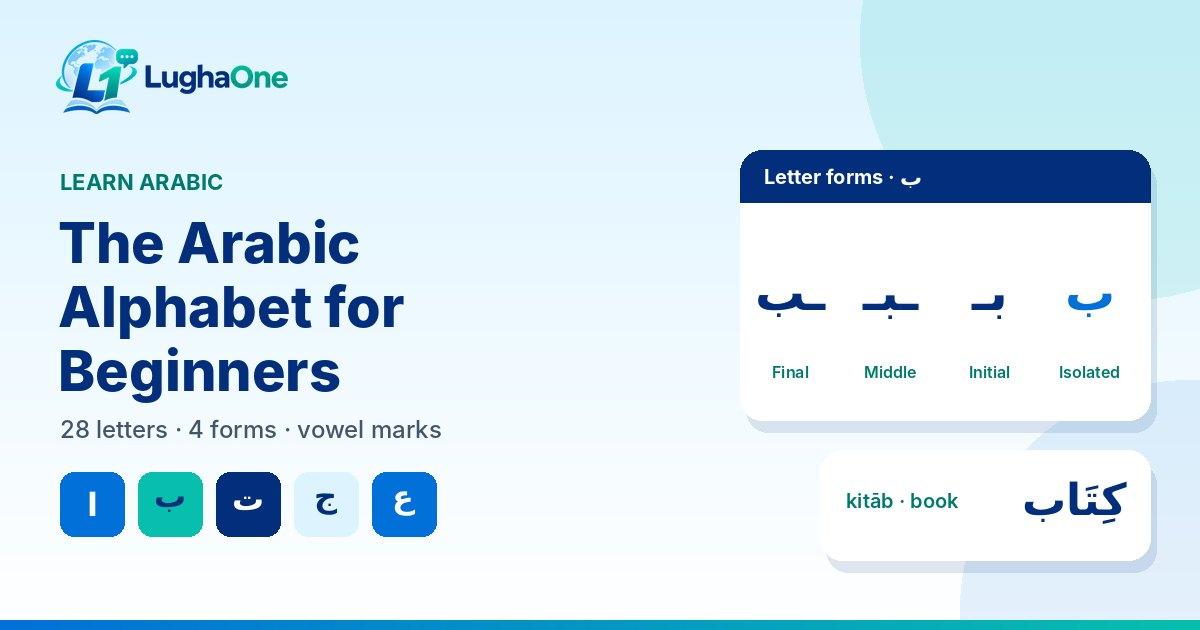
The Arabic Alphabet for Beginners: Letters, Shapes and Sounds
Learn to read Arabic step by step: how the script works, the 28 letters grouped by shape, how letters change at the start, middle and end of a word, vowel marks and a two-week practice plan.
Learning Tips
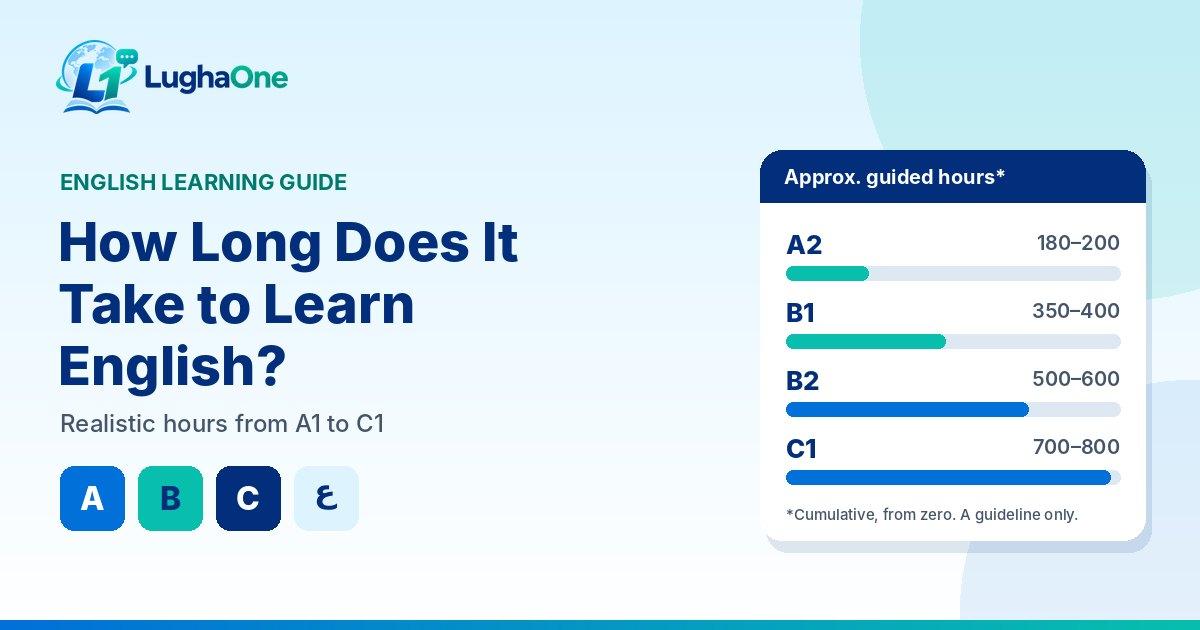
How Long Does It Take to Learn English? A Realistic Answer
A realistic answer in hours, not promises: approximate study time for each level from A1 to C2, the factors that change it, and simple weekly plans for busy learners.
Arabic Dialects
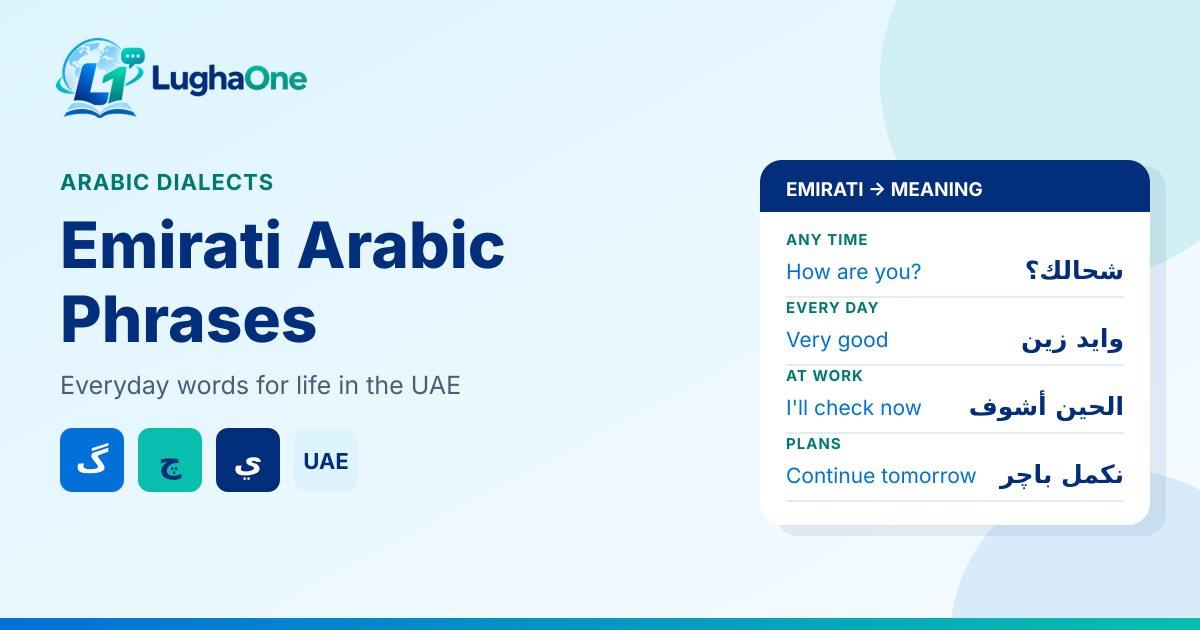
Emirati Arabic Phrases for Everyday Life in the UAE
The Emirati words and phrases you will actually hear in Dubai, Abu Dhabi and Sharjah: how the dialect sounds, everyday words, office and shop phrases, directions for taxis and Emirati hospitality.
Arabic for Beginners
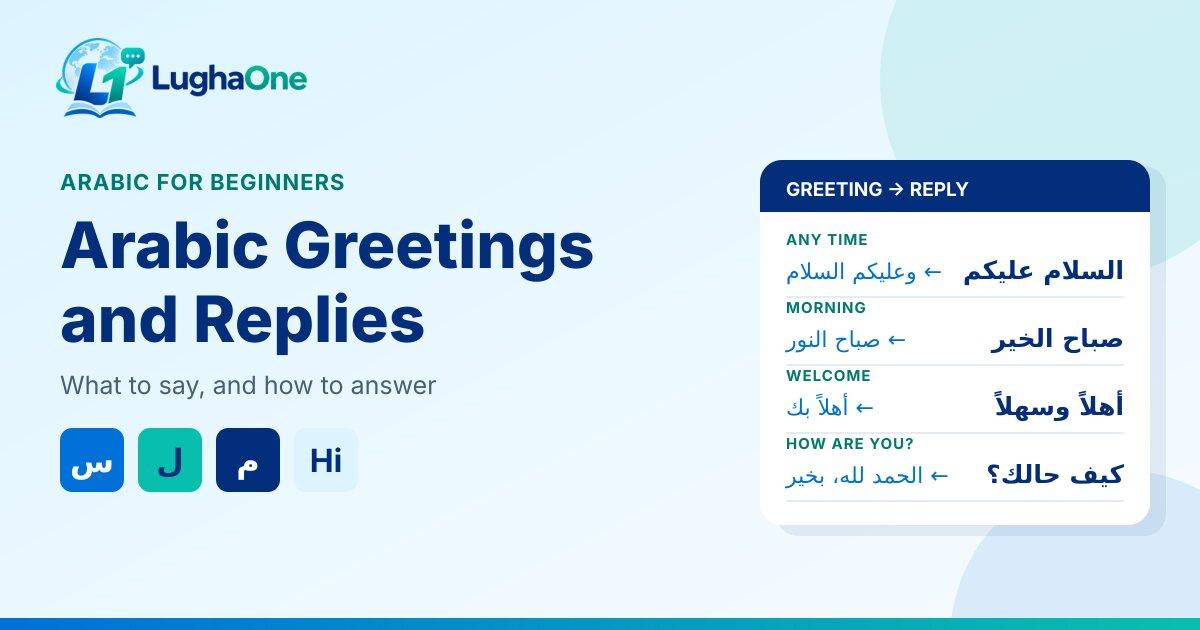
Arabic Greetings and Responses: What to Say and How to Reply
In Arabic, almost every greeting has a set reply. Learn the pairs for every time of day, how to ask how are you across the region, what to say on Ramadan and Eid, and the etiquette that goes with them.
Practical English
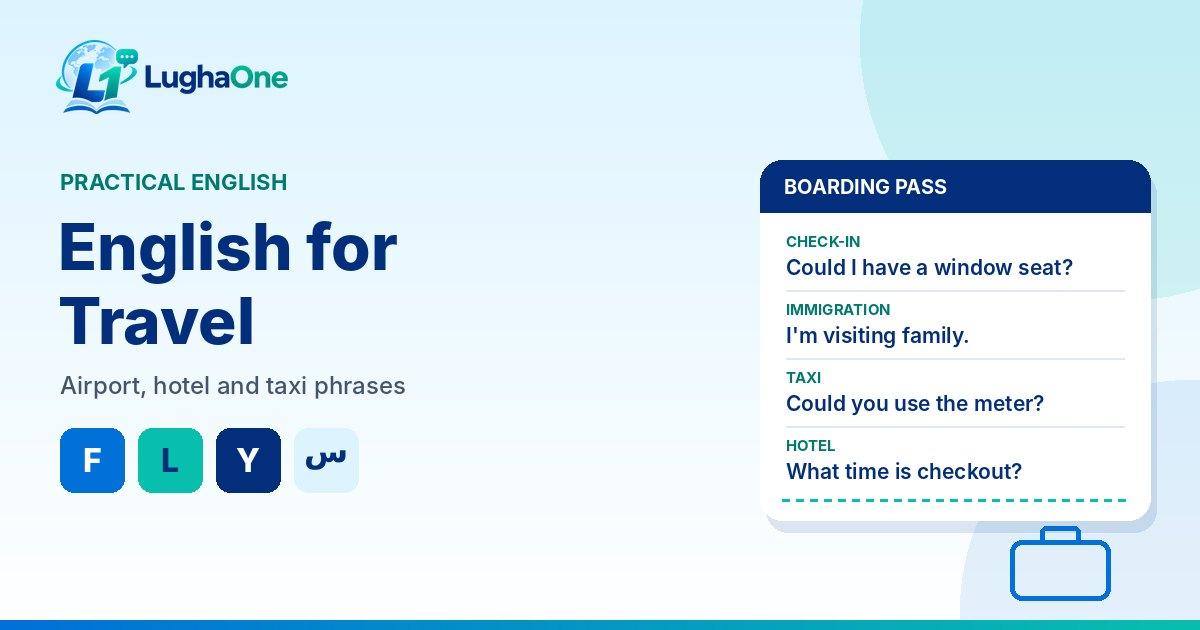
English for Travel: Airport, Hotel and Taxi Phrases You Will Actually Use
The English you need from the check-in desk to your hotel room: short, polite phrases for every step of the trip, the questions officers ask, and easy fixes for common mistakes.
Arabic Dialects
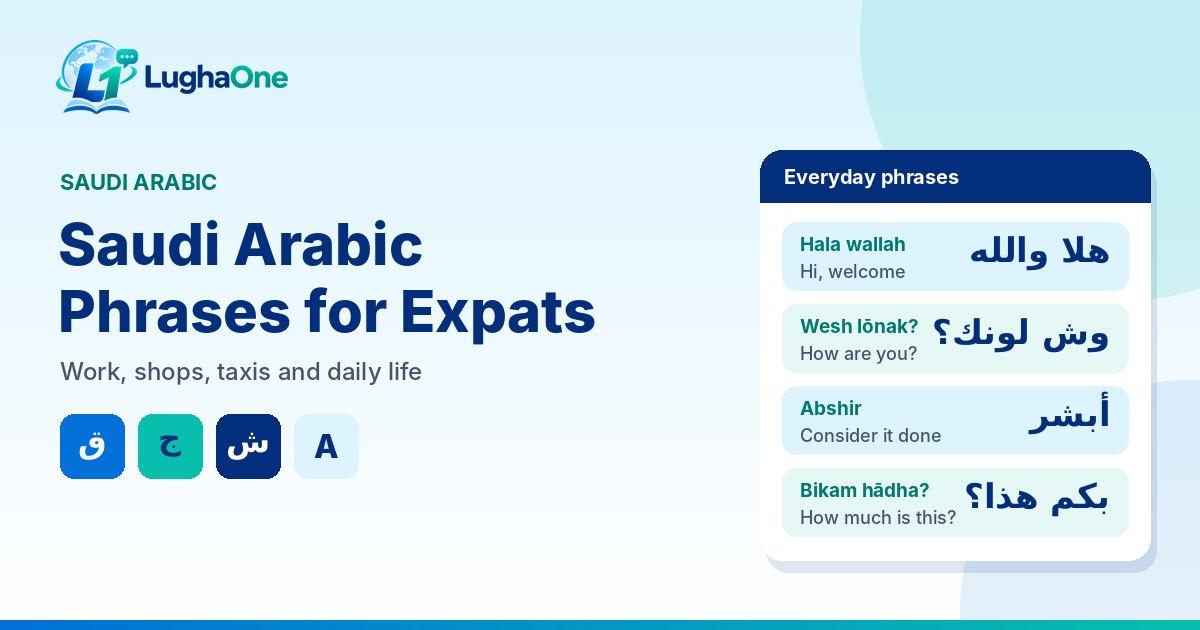
Saudi Arabic Phrases for Expats: Work, Shops and Daily Life
The everyday Saudi Arabic you will hear in Riyadh, Jeddah and beyond, from hala wallah and abshir to bikam hadha, with simple notes on Najdi and Hijazi speech.
English Grammar
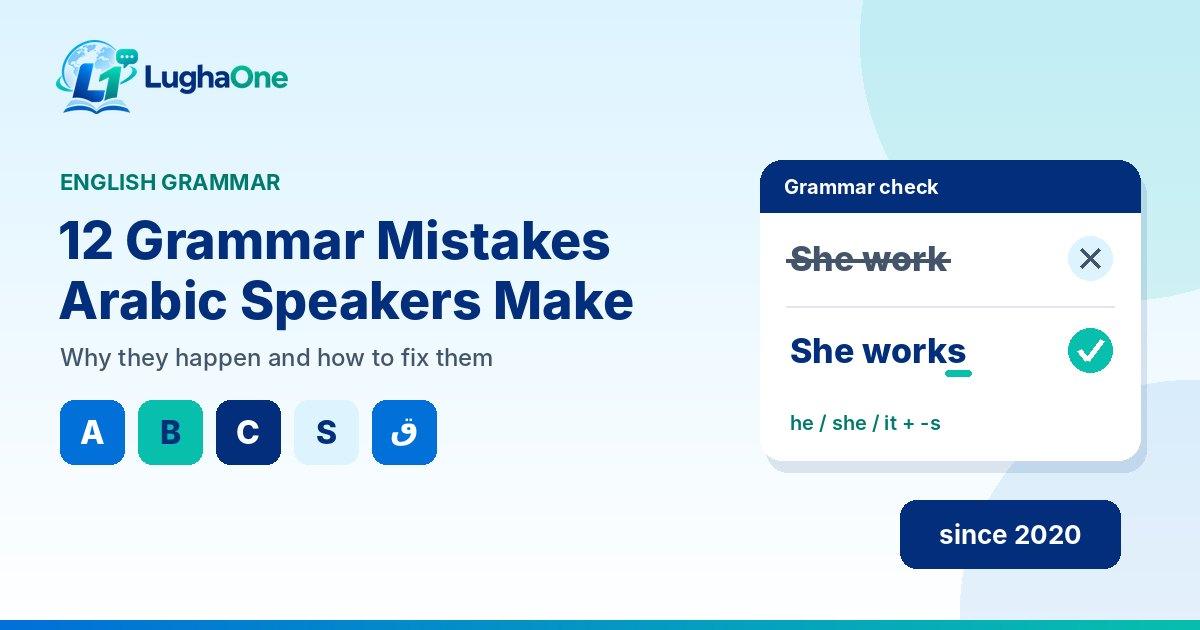
12 English Grammar Mistakes Arabic Speakers Make (and How to Fix Them)
Twelve grammar mistakes that come from thinking in Arabic while speaking English, why each one happens, and a simple correction you can start using today.

Business English
Business English Email Phrases: How to Write Clear, Professional Emails at Work
Ready-to-use phrases for every part of a work email, from the greeting to the sign-off, with a sample email you can adapt and the small mistakes that make emails sound less professional.

Business English
English Job Interview Questions and Answers: A Guide for Arabic Speakers
How to answer 'Tell me about yourself', 'Why should we hire you?' and other common interview questions in clear, confident English, with sample answers you can adapt.
Pronunciation
English Pronunciation for Arabic Speakers: Fix P/B, V/F and More
Why 'parking' turns into 'barking' and 'very' into 'fery', and simple daily drills that make your English clearer in meetings, interviews and travel.
English learning
How to Learn English from Zero: A Practical Beginner's Guide
Start speaking with confidence: the first phrases to learn, a 15-minute daily routine, beginner mistakes to avoid and a simple four-week plan.
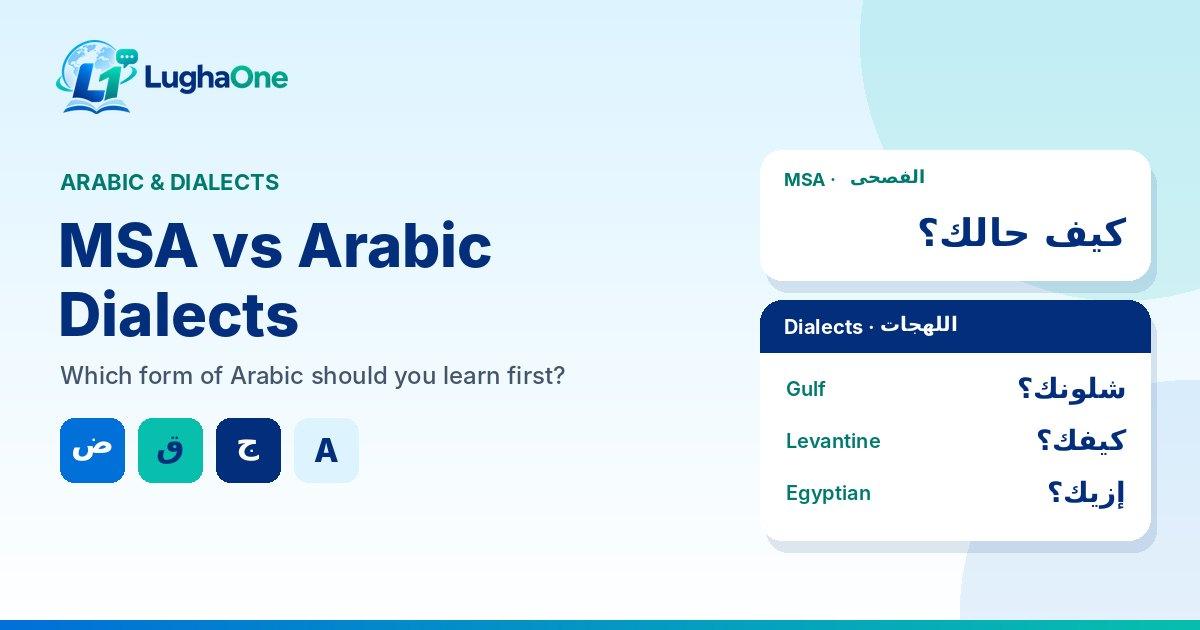
Arabic & dialects
Modern Standard Arabic vs. Arabic Dialects: Where Should You Start?
MSA or spoken Arabic? See how they differ in real examples, from 'How are you?' to the letter qaf, and choose the path that fits your goals.